
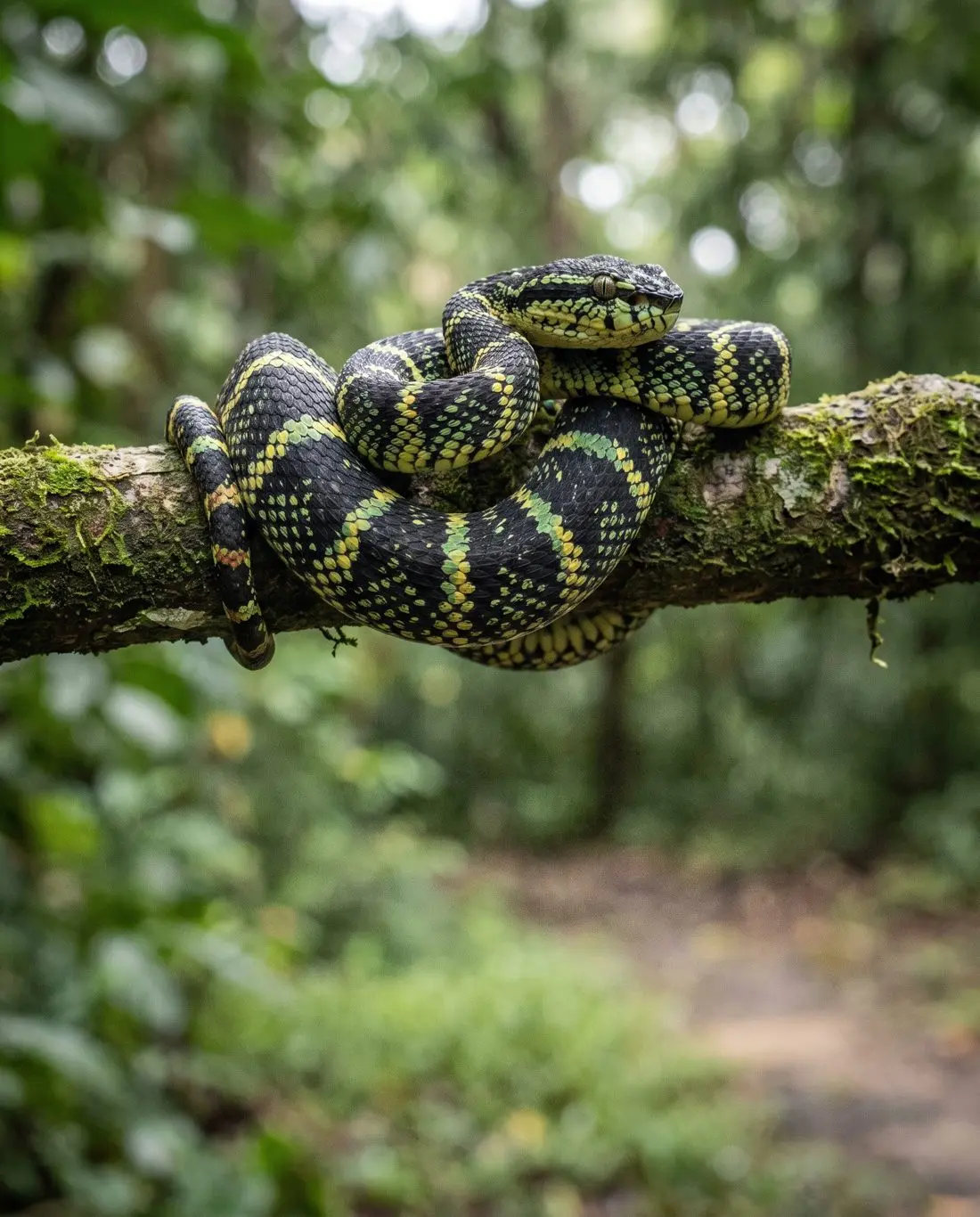
Wagler's pit viper is a forest snake famous for sitting motionless on the same branch for days. Females and males look so different that they could pass for two species. In Singapore it lives mainly in the central nature reserves, where hikers sometimes spot one coiled beside a trail.
How to recognise it
Both sexes have a broad, triangular head on a narrow neck, and a heat-sensing pit on each side of the face between the eye and the nostril.
Adult females are thick and heavy. They are black on top, crossed by irregular yellow bands and often flecked with green or yellow, with a pale yellow to white belly. A thick dark stripe runs along each side of the head.
Adult males stay small and slim and keep the colours of a juvenile for life. They are lime green with two rows of small red and white spots along the back, a red and white stripe through the eye, and a reddish tail tip. Newborns are green too. Young females can be told apart because they have narrow red and yellow cross-bars instead of the male's spots.
Where it lives in Singapore
This is a forest snake. Most records come from mature and secondary forest in the Bukit Timah and Central Catchment Nature Reserves, and from Pulau Tekong. Adult females have also been found at Neo Tiew Lane in Kranji in 2015 and at Admiralty Park in 2022, several kilometres from the nearest known population.
It usually rests on low shrubs and branches within about 2 m of the ground, but adult females have been seen 8 to 10 m up in the trees.
What it eats
It is an ambush hunter. It waits on a branch and uses its heat pits to detect warm-blooded prey in the dark, then strikes. Tree-dwelling rats and birds make up much of its diet. Singapore records also include lesser dog-faced fruit bats taken by females, and geckos taken by the much smaller males. After a large meal it may not move for days.
Behaviour
It is not considered aggressive, and relies on staying still and blending in. A prehensile tail lets it grip a branch firmly while it rests. Most of its activity happens at night.
Life cycle
Wagler's pit viper gives birth to live young. Litters of about 15 to 41 have been reported, and one Singapore female had a litter of 15. Newborns are about 15 cm long and are independent from birth. In March 2024, 14 newborns were found close together at the edge of the Central Catchment Nature Reserve, with an adult female, thought to be their mother, perched in the tree above.
Is it dangerous?
It is venomous, and bites are treated in hospital. A 2023 study of confirmed bites by this group of pit vipers in Malaysia, including 120 bites by Wagler's pit viper in Peninsular Malaysia, found that local pain was the most common effect, serious blood or circulation problems were not seen, and no one died. Bites to people are uncommon because the snake rarely moves when people pass.
Frequently asked questions
How do you tell a male and female Wagler's pit viper apart?
Adult females are large, black and yellow-banded. Adult males are small and green, with red and white spots along the back and a red and white stripe through the eye.
Where can you see Wagler's pit vipers in Singapore?
Mainly in the forests of the Bukit Timah and Central Catchment Nature Reserves and on Pulau Tekong. A few have turned up elsewhere, such as Admiralty Park.
Is Wagler's pit viper deadly?
It is venomous and bites are treated in hospital. In a 2023 Malaysian study that included 120 bites by this species, local pain was the most common effect and no one died.
Why does Wagler's pit viper stay in one place for days?
It is an ambush hunter. It waits for prey to come close, and after a big meal it rests while it digests.
More snakes in Singapore
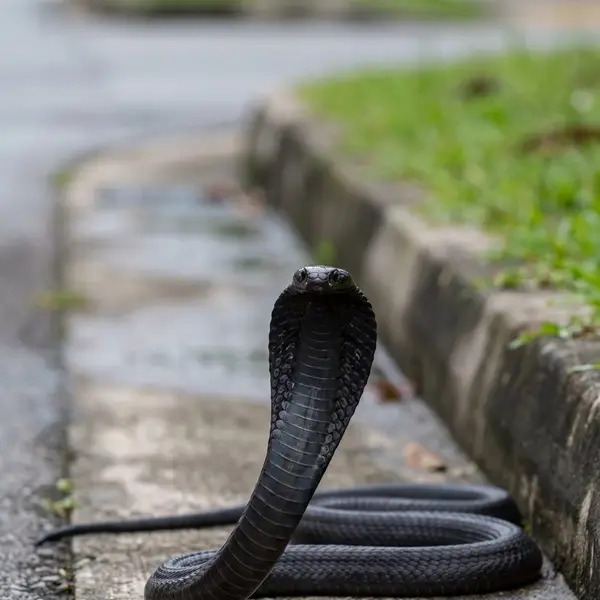 Equatorial spitting cobraNaja sumatranaDANGEROUS
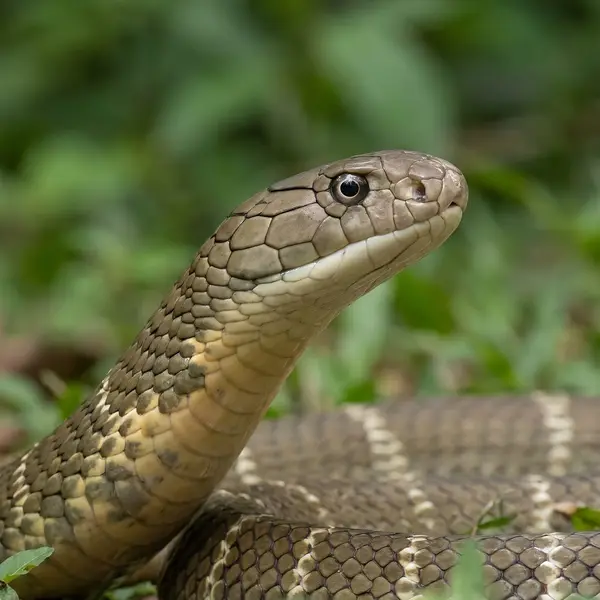 King cobraOphiophagus bungarusDANGEROUS
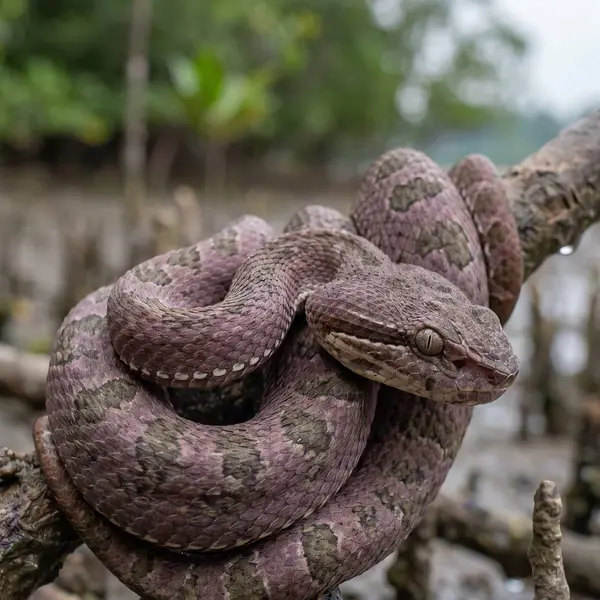 Shore pit viperTrimeresurus purpureomaculatusDANGEROUS
- Banded kraitBungarus fasciatusDANGEROUS
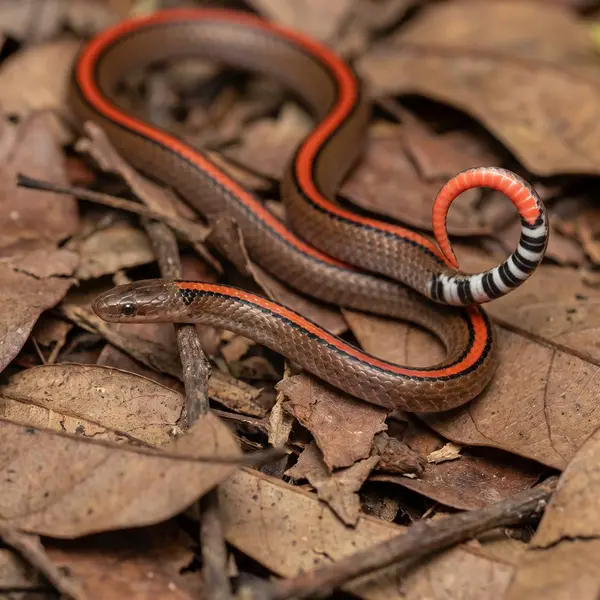 Banded Malayan coral snakeCalliophis intestinalisDANGEROUS
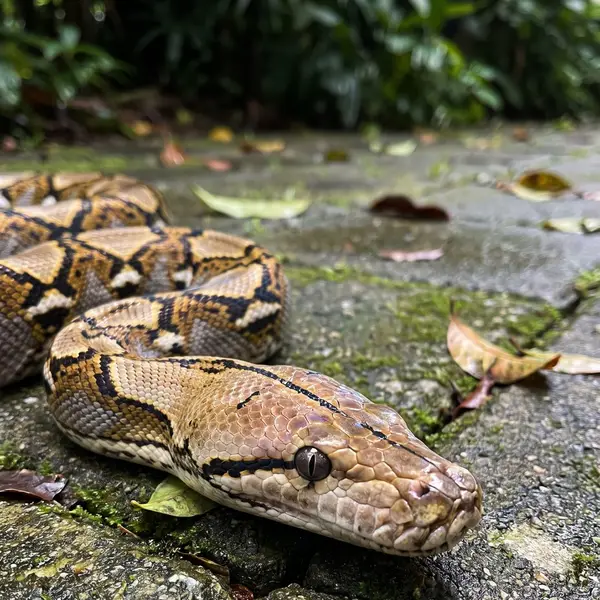 Reticulated pythonMalayopython reticulatusGIVE SPACE
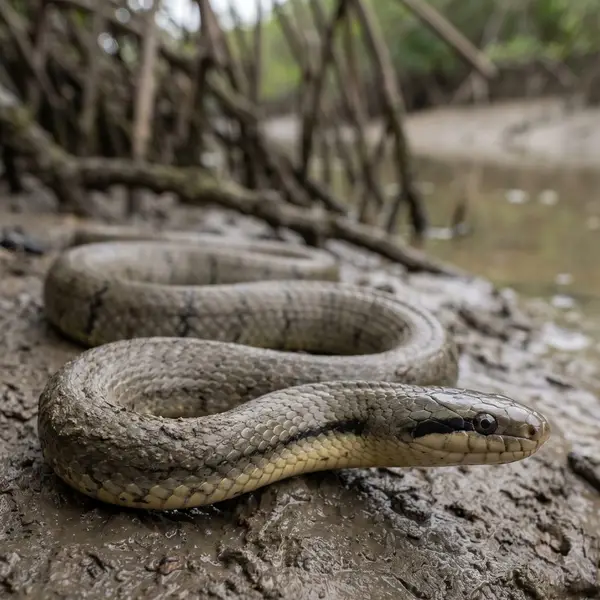 Dog-faced water snakeCerberus schneideriiGIVE SPACE
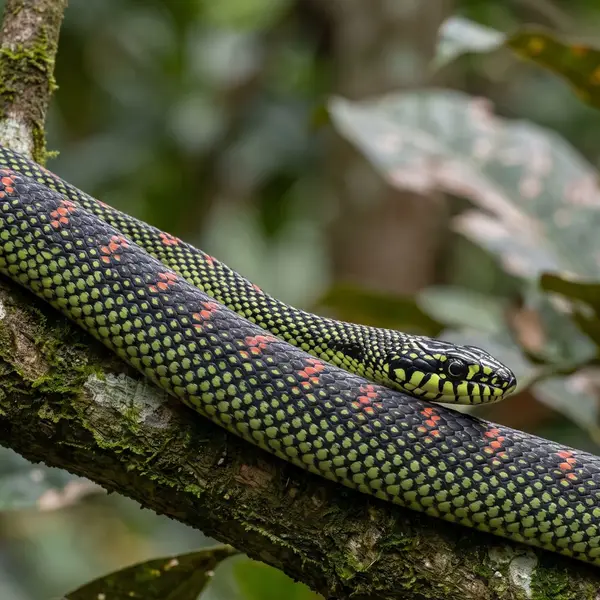 Paradise tree snakeChrysopelea paradisiGIVE SPACE
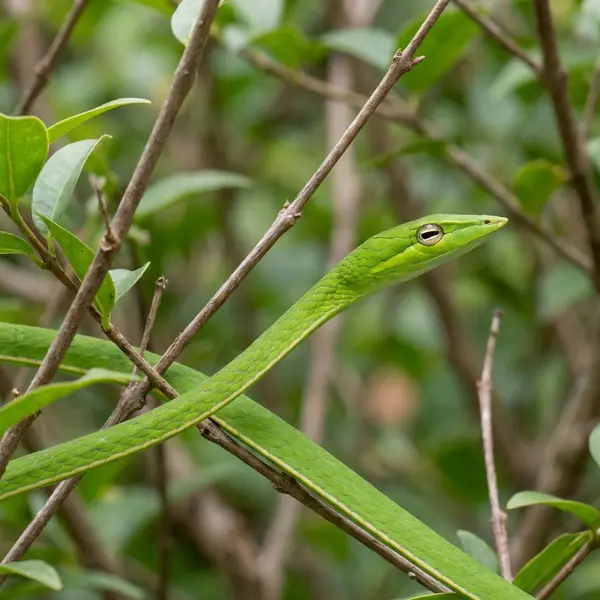 Oriental whip snakeAhaetulla prasinaGIVE SPACE
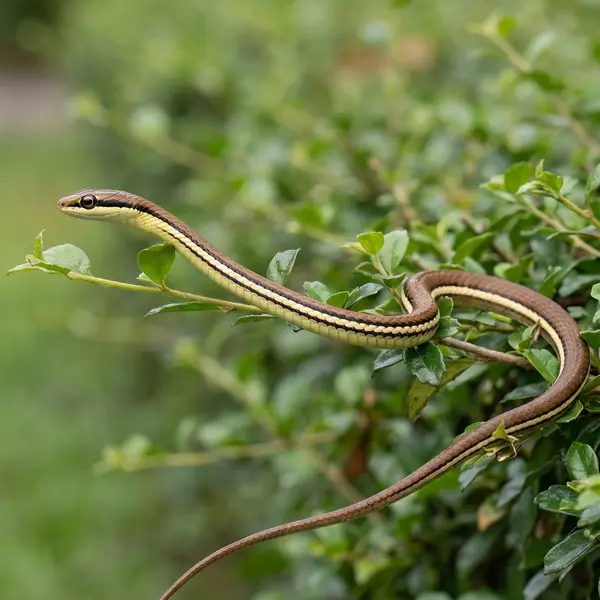 Painted bronzebackDendrelaphis pictusGIVE SPACE
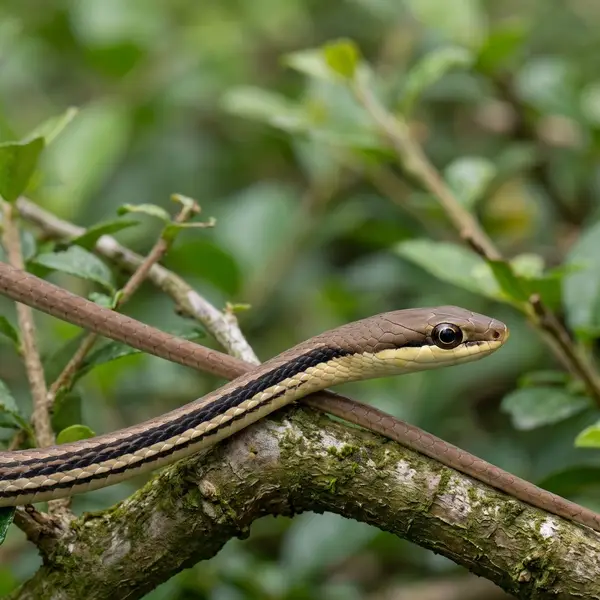 Striped bronzebackDendrelaphis caudolineatusGIVE SPACE
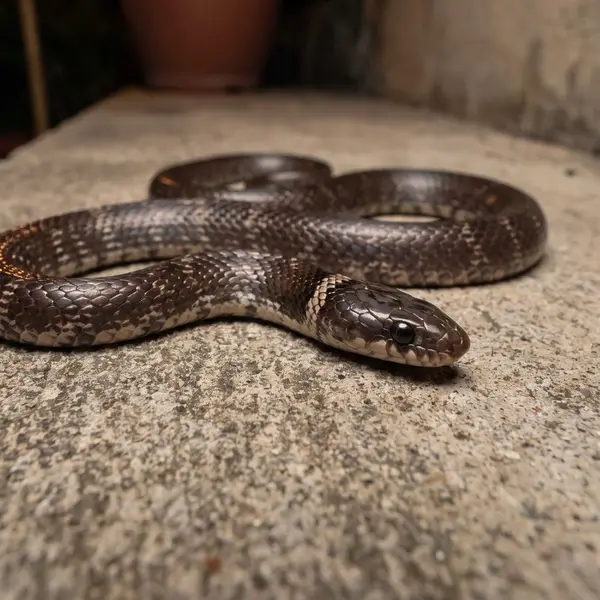 Common wolf snakeLycodon capucinusGIVE SPACE
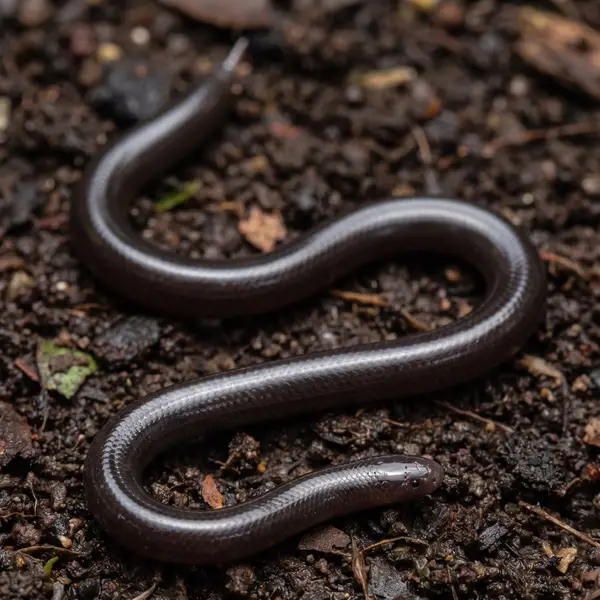 Brahminy blind snakeIndotyphlops braminusHARMLESS