
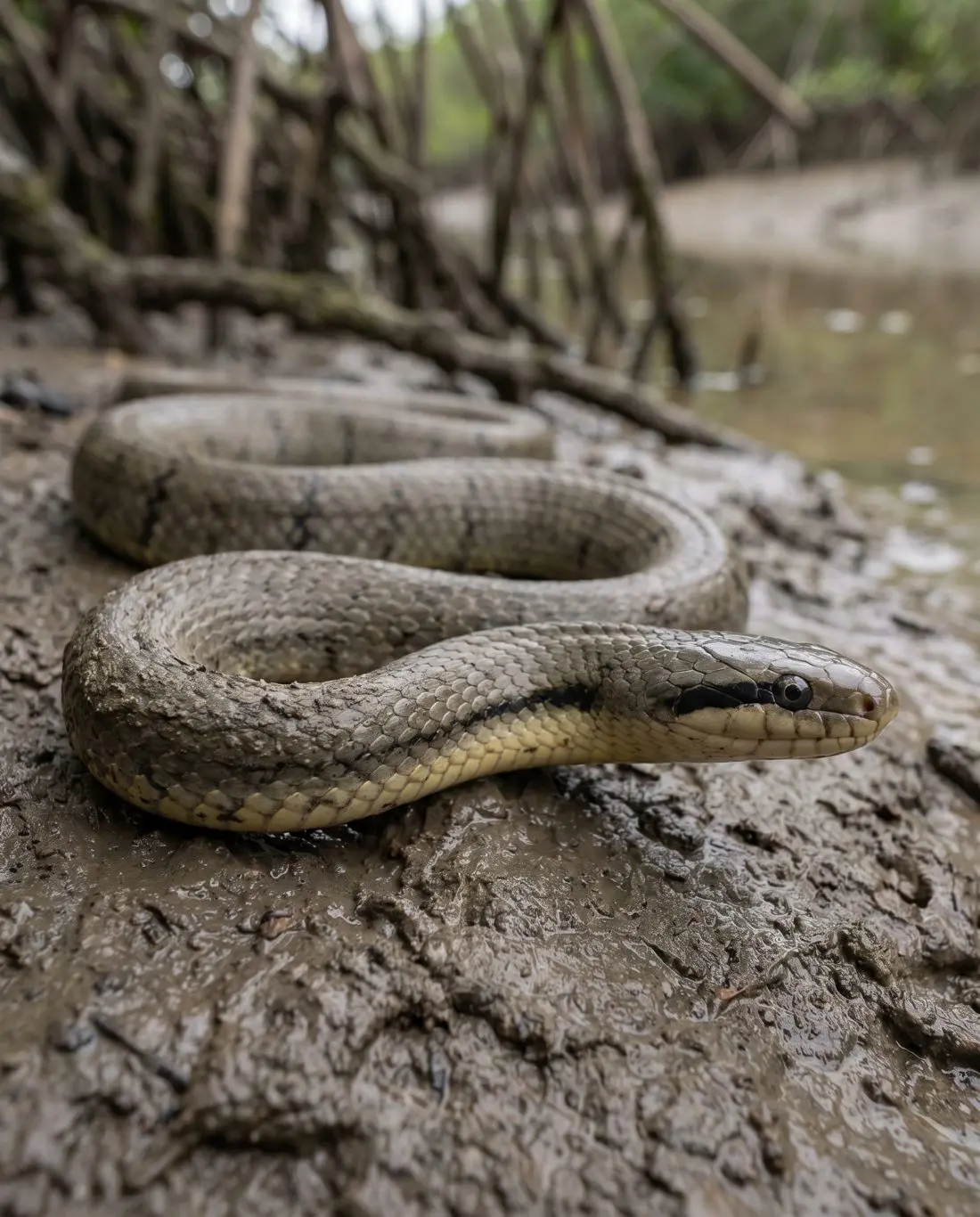
The dog-faced water snake lives in Singapore's mangroves, mudflats and tidal canals. It is one of the most abundant snakes in these wet, salty places, where it hunts small fish. It is mildly venomous but not dangerous to people.
How to recognise it
It is a stout, medium-sized water snake, usually 50 to 80 cm long. The back is grey-brown to olive, sometimes with faint dark cross-bands. A black stripe runs from the snout through the eye and along the side of the neck. The belly is pale, mottled with darker markings.
The eyes and nostrils sit high on top of the head, so it can see and breathe while almost fully under water or mud. Its nostrils have flaps that close to keep water out. The blunt snout is said to give it a dog-like face.
Where it lives in Singapore
It is native and common along the coast. It lives in mangroves, mudflats, river mouths, brackish ponds and tidal canals and drains. It is often seen at Sungei Buloh Wetland Reserve and has been recorded on offshore islands, including Pulau Semakau and Pulau Tekong.
Singapore's first record was in 1841 at what is now Bukit Pasoh Road in Tanjong Pagar. That area was coastal mangrove at the time. Today it is the only coastal water snake of its family known from Singapore's offshore islands.
What it eats
It eats mainly small fish, especially gobies, caught in shallow water and tide pools. It uses mild venom from grooved teeth at the back of its jaw to subdue prey.
Behaviour
It is most active at night and comes out in large numbers at low tide to hunt. On slippery mud it can move by sidewinding. It has glands that help it get rid of excess salt. A study at Sungei Buloh estimated about 102 snakes per hectare in its ponds, and more than 90 percent of marked snakes were caught again in the same pond.
Life cycle
It gives birth to live young instead of laying eggs. A study in Java recorded litters of 3 to 45, usually around 13 to 15. Larger females have more young. Newborns measure roughly 12 to 16 cm from snout to vent.
At Sungei Buloh, females were found to mature at about 34 cm body length. The mix of sizes in the ponds stayed the same all year, which suggests young are born there year-round.
Is it dangerous?
It is mildly venomous, but its rear fangs and weak venom are made for fish. It is not considered dangerous to people. It is generally calm, but may bite if picked up. It sits at GIVE SPACE on the danger scale.
Frequently asked questions
Is the dog-faced water snake venomous?
Mildly. It has small rear fangs and weak venom for catching fish. It is not considered dangerous to people.
Where can you see dog-faced water snakes in Singapore?
In mangroves, mudflats and tidal canals. Sungei Buloh Wetland Reserve is one of the best-known places to see them.
Why is it called dog-faced?
Its blunt snout and high-set eyes are said to make its face look a little like a dog's.
Does the dog-faced water snake lay eggs?
No. It gives birth to live young, often more than ten at a time.
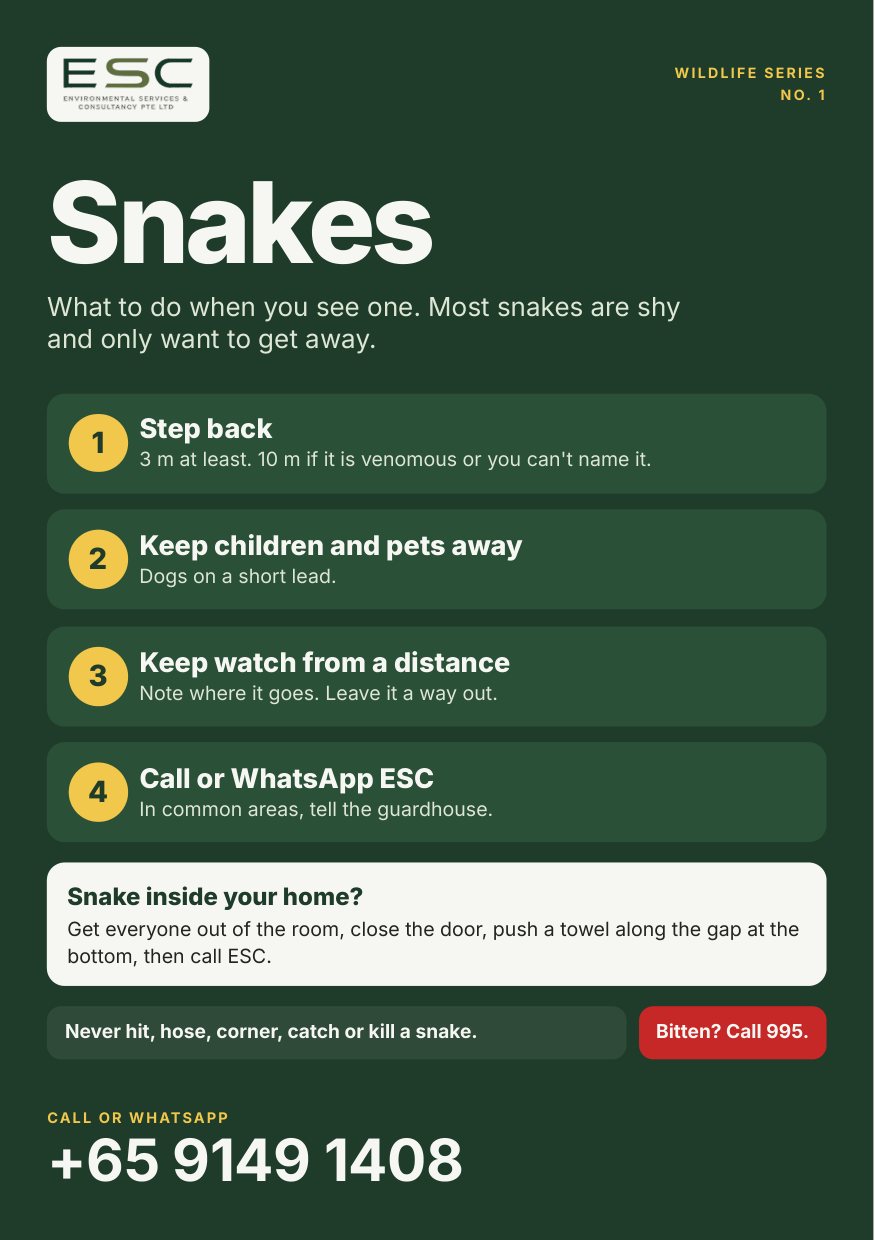
More snakes in Singapore
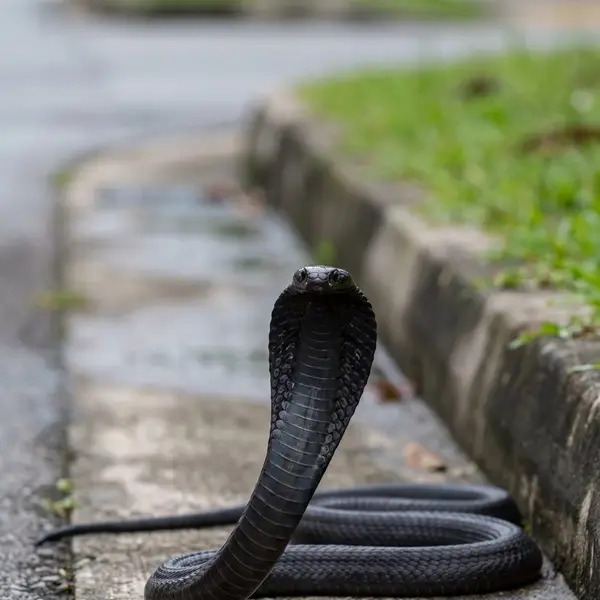 Equatorial spitting cobraNaja sumatranaDANGEROUS
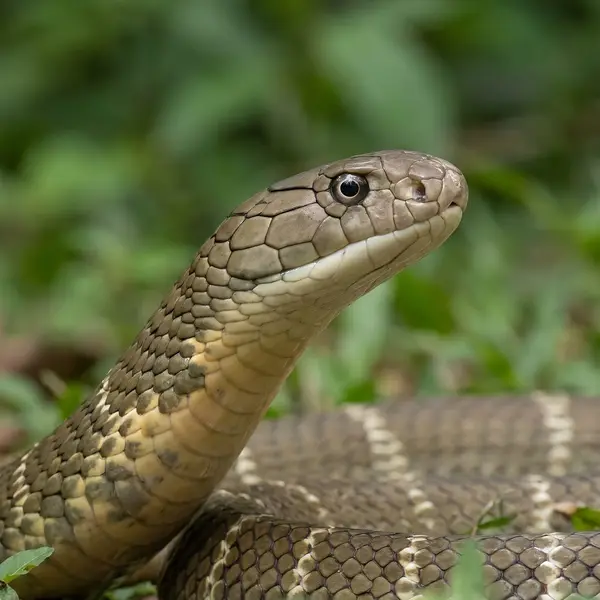 King cobraOphiophagus bungarusDANGEROUS
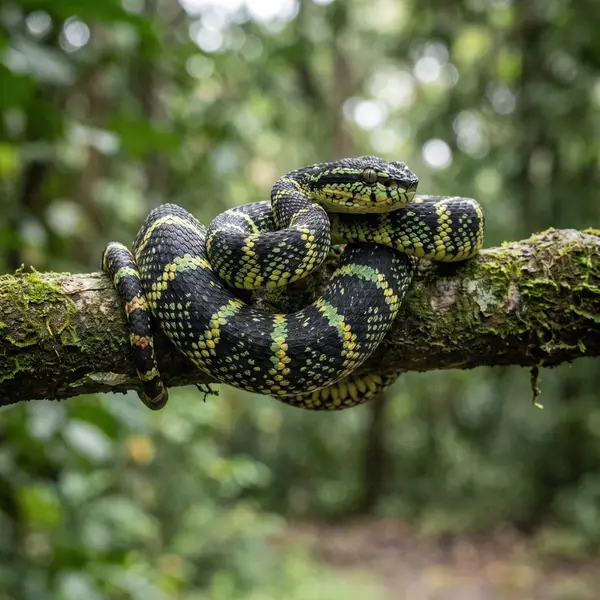 Wagler's pit viperTropidolaemus wagleriDANGEROUS
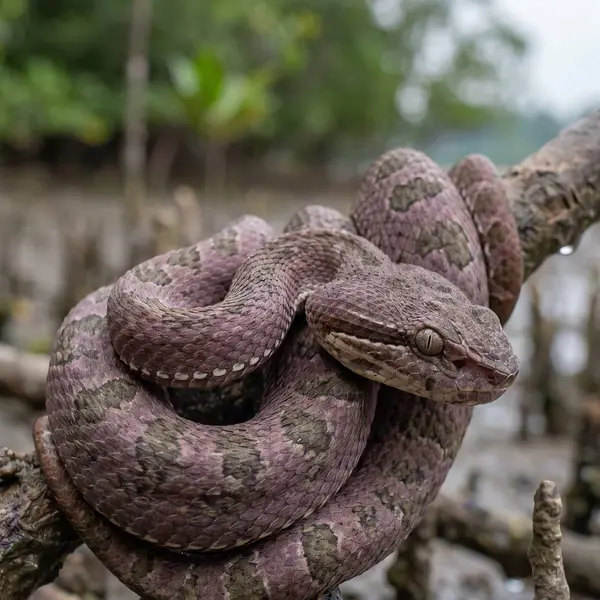 Shore pit viperTrimeresurus purpureomaculatusDANGEROUS
- Banded kraitBungarus fasciatusDANGEROUS
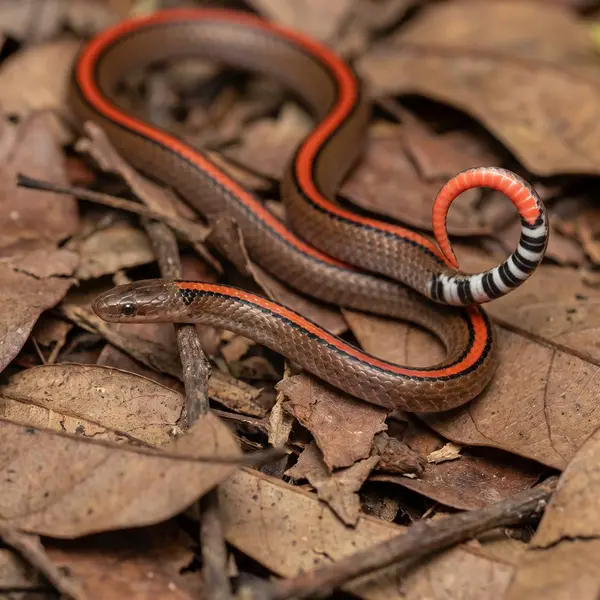 Banded Malayan coral snakeCalliophis intestinalisDANGEROUS
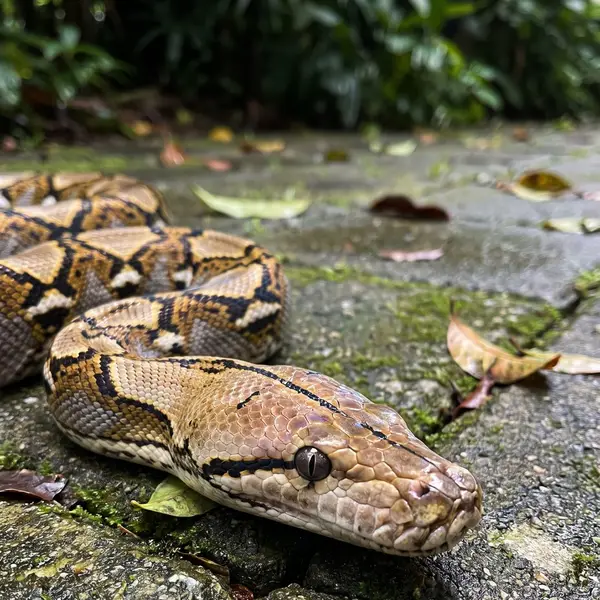 Reticulated pythonMalayopython reticulatusGIVE SPACE
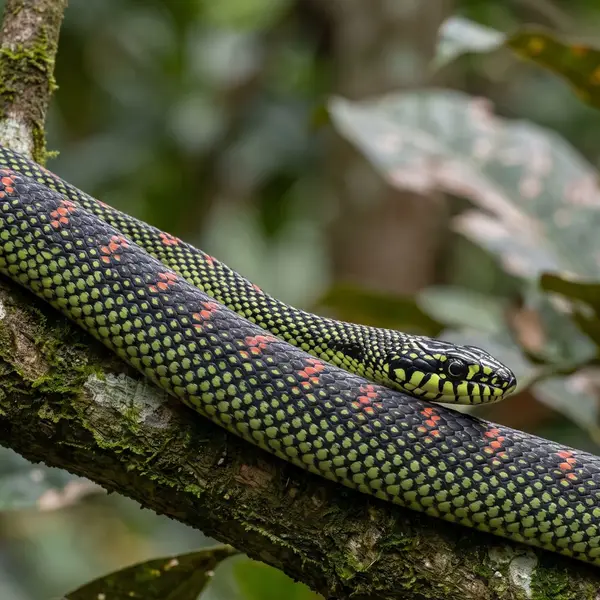 Paradise tree snakeChrysopelea paradisiGIVE SPACE
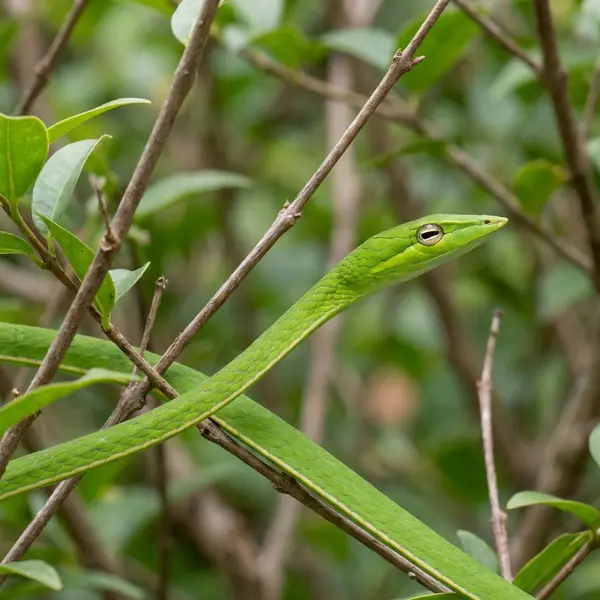 Oriental whip snakeAhaetulla prasinaGIVE SPACE
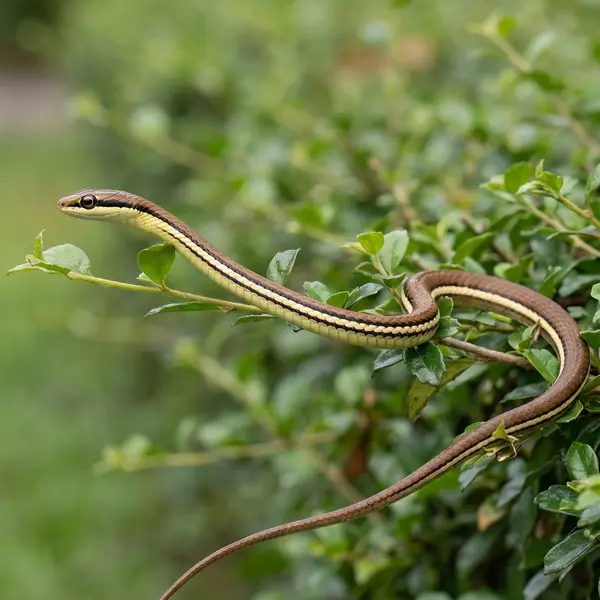 Painted bronzebackDendrelaphis pictusGIVE SPACE
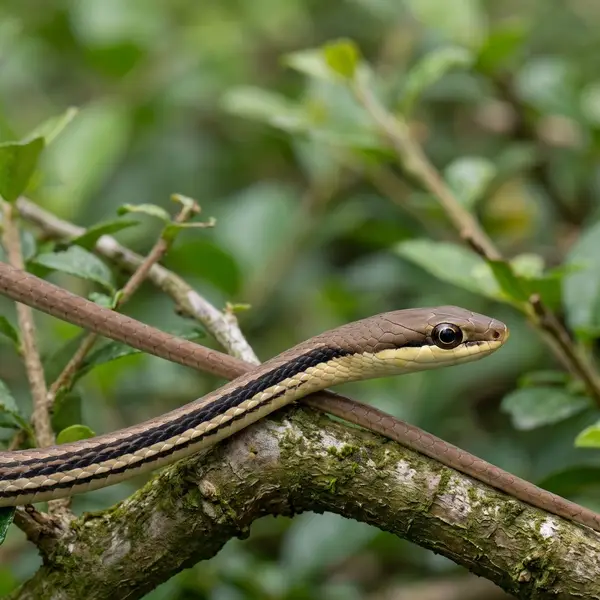 Striped bronzebackDendrelaphis caudolineatusGIVE SPACE
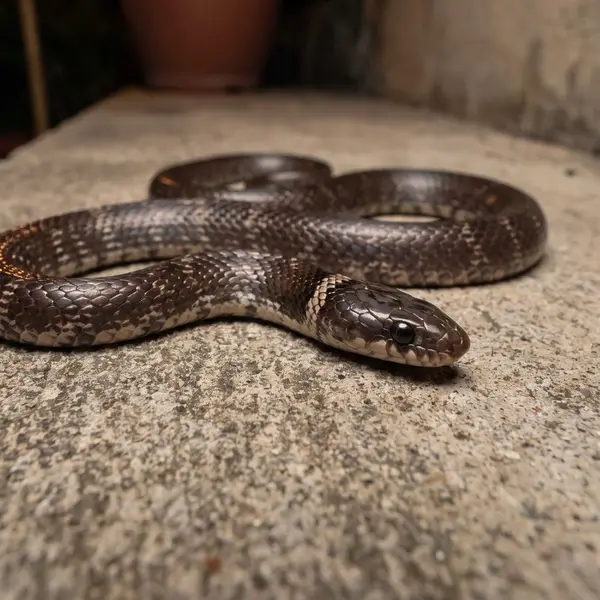 Common wolf snakeLycodon capucinusGIVE SPACE
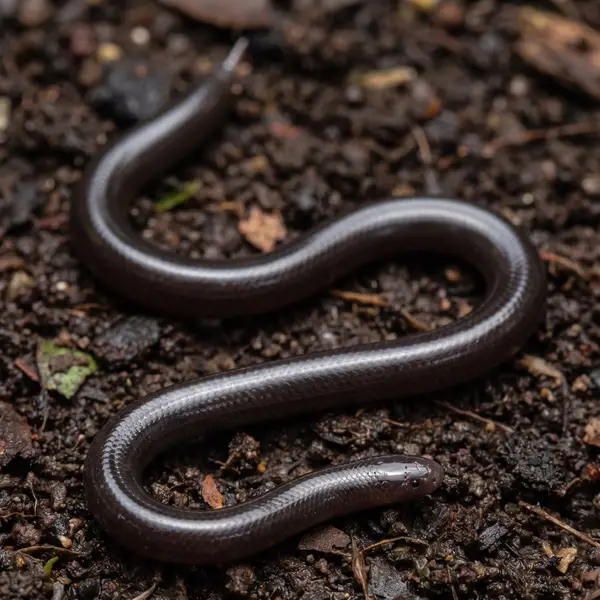 Brahminy blind snakeIndotyphlops braminusHARMLESS