
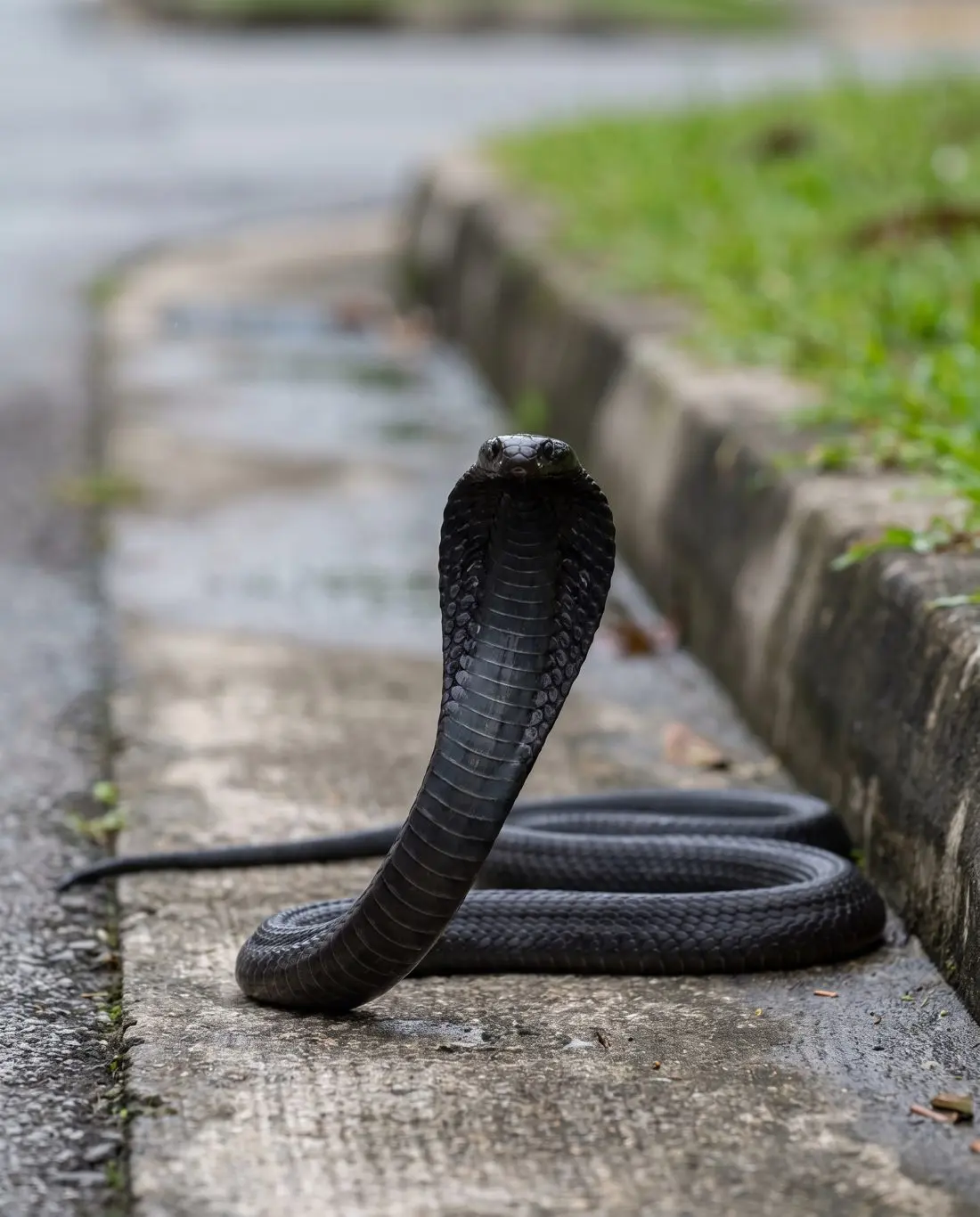
The equatorial spitting cobra is the cobra most people in Singapore will ever see. Locals often call it the black spitting cobra, because adults here are plain glossy black. It is highly venomous, but it is shy and would much rather escape than bite.
How to recognise it
Adults in Singapore are plain black to bluish-black, with smooth, glossy scales. The body is thick, the tail is short and the head is rounded, only slightly wider than the neck.
When threatened it lifts the front of its body off the ground and spreads a wide hood. There is no pattern on the back of the hood. Young cobras often have pale and dark bars across the throat. In other parts of its range, such as southern Thailand, northern Peninsular Malaysia and Sumatra, adults can be brown or yellowish instead of black.
Where it lives in Singapore
This cobra copes well with people. It lives along forest edges, in scrub and grassland, and in parks and gardens. It also turns up in leafy suburbs, at the edges of mangroves and sometimes in high-density housing estates.
When resting it picks hidden spots such as holes in the ground, gaps behind garden walls, cavities beside drains and piles of garden clutter.
What it eats
Rats and mice make up a large part of its diet, along with frogs and toads such as the Asian toad. It also takes lizards, other snakes and small mammals. In October 2021 one about 1 m long was watched at Berlayer Creek in the late morning, slowly swallowing an Oriental house rat beside the boardwalk while passers-by stopped to look.
Behaviour
Some books describe this species as nocturnal, but in Singapore it is active almost entirely by day.
It is not considered aggressive. Its usual response to people is to slide away into long grass or a drain. If cornered, it rears up, spreads its hood and hisses loudly. If the threat continues, it can spit a thin spray of venom from its fangs, aimed at the eyes of whatever is bothering it.
Life cycle
The equatorial spitting cobra lays eggs. Records from Malaysia give clutches of about 6 to 23 eggs, which take around 70 to 90 days to hatch. The young are independent from the start and are already venomous.
Is it dangerous?
Yes. Its venom attacks the nerves and damages tissue, and a bite can be fatal without hospital treatment. Venom sprayed into the eyes causes severe pain and inflammation and can cause lasting eye damage. Bites are uncommon because the snake avoids contact whenever it can.
Frequently asked questions
Are there cobras in Singapore?
Yes. Singapore has two native cobras: the equatorial spitting cobra, which is relatively common and often seen near homes, and the much rarer king cobra, which lives mainly around the central forests.
Is the black spitting cobra in Singapore deadly?
It is highly venomous and a bite can kill without medical treatment. It is not aggressive, though, and most encounters end with the snake moving away.
Why does the spitting cobra spit?
Spitting is a defence. The cobra sprays venom towards the eyes of an animal or person it sees as a threat, causing sharp pain so that it has time to escape.
When is the spitting cobra most active?
In Singapore it is active mainly by day. The rest of the time it shelters out of sight in holes, drain cavities and similar spots.
More snakes in Singapore
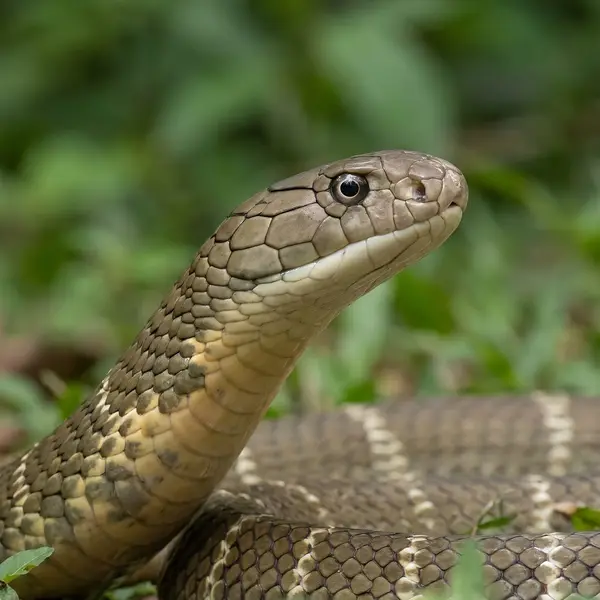 King cobraOphiophagus bungarusDANGEROUS
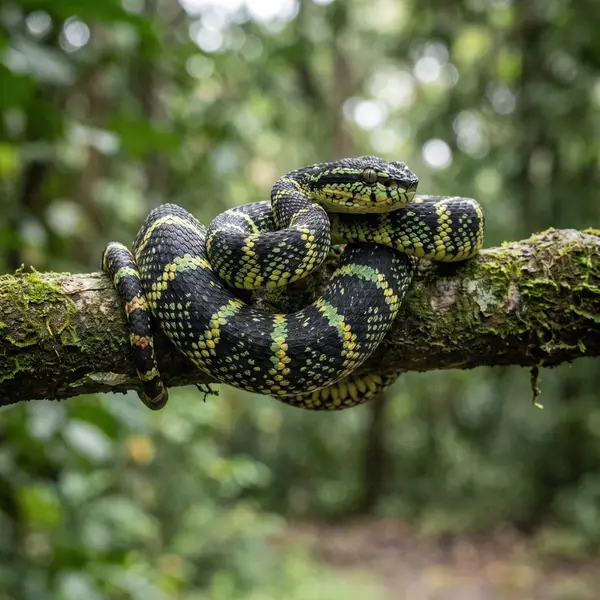 Wagler's pit viperTropidolaemus wagleriDANGEROUS
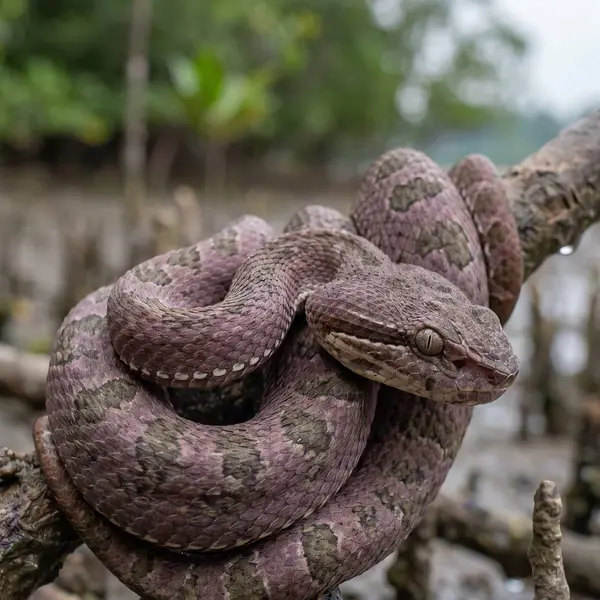 Shore pit viperTrimeresurus purpureomaculatusDANGEROUS
- Banded kraitBungarus fasciatusDANGEROUS
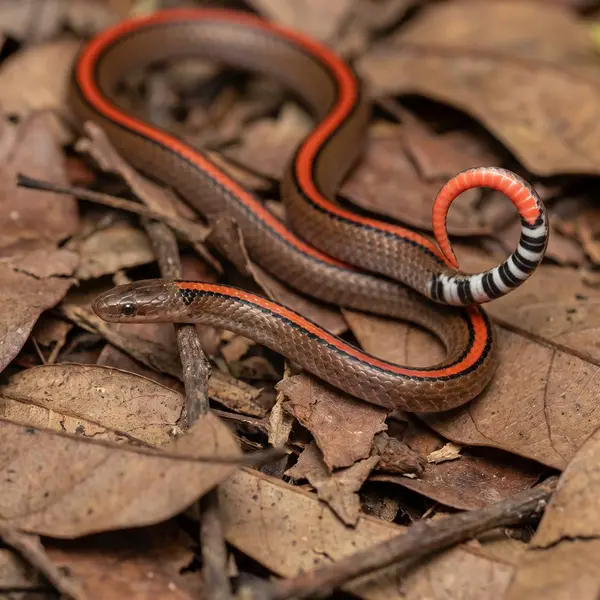 Banded Malayan coral snakeCalliophis intestinalisDANGEROUS
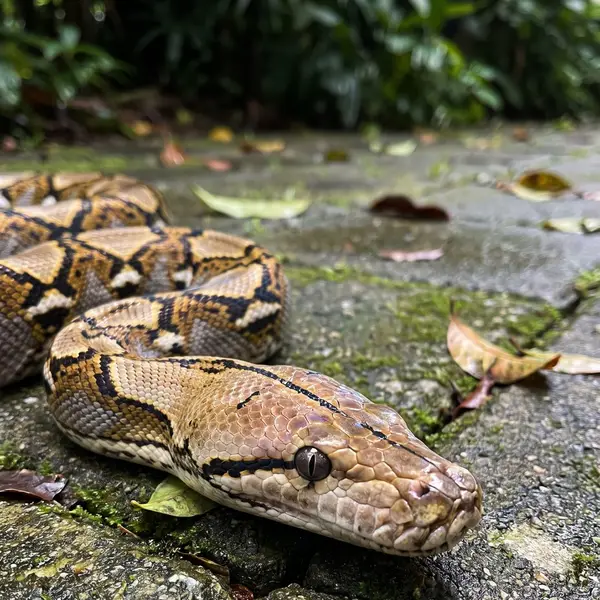 Reticulated pythonMalayopython reticulatusGIVE SPACE
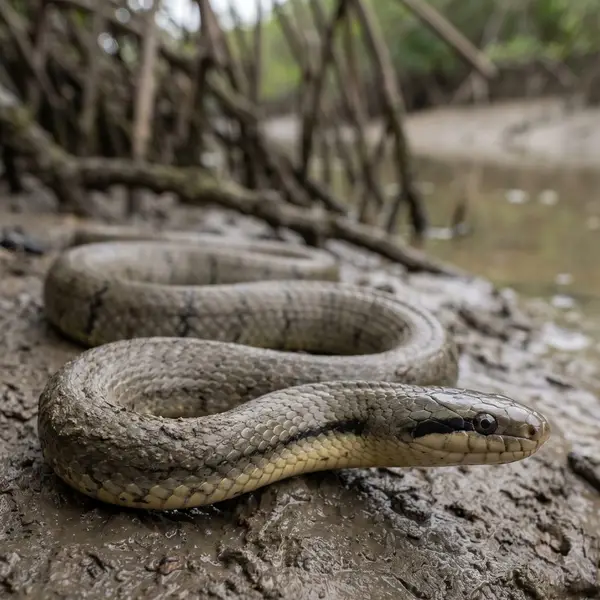 Dog-faced water snakeCerberus schneideriiGIVE SPACE
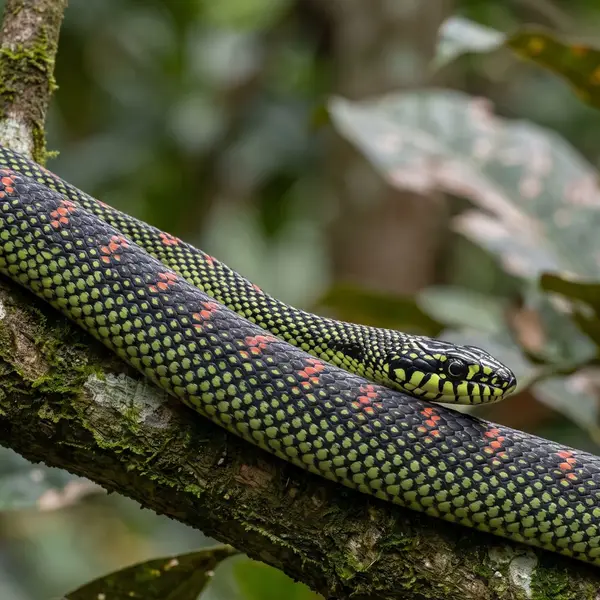 Paradise tree snakeChrysopelea paradisiGIVE SPACE
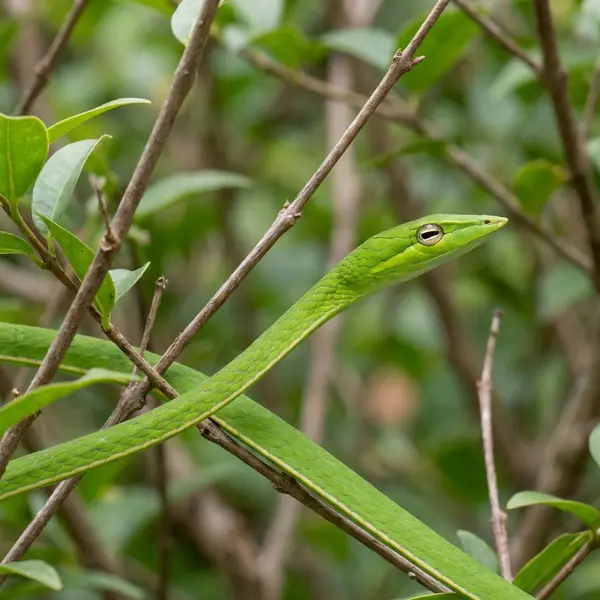 Oriental whip snakeAhaetulla prasinaGIVE SPACE
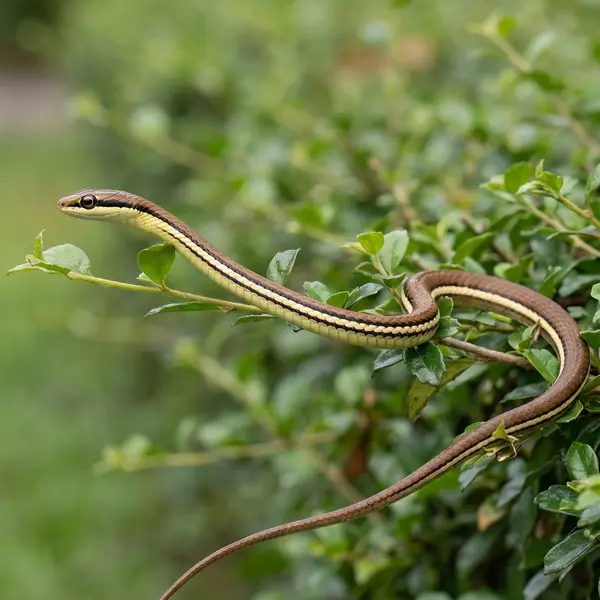 Painted bronzebackDendrelaphis pictusGIVE SPACE
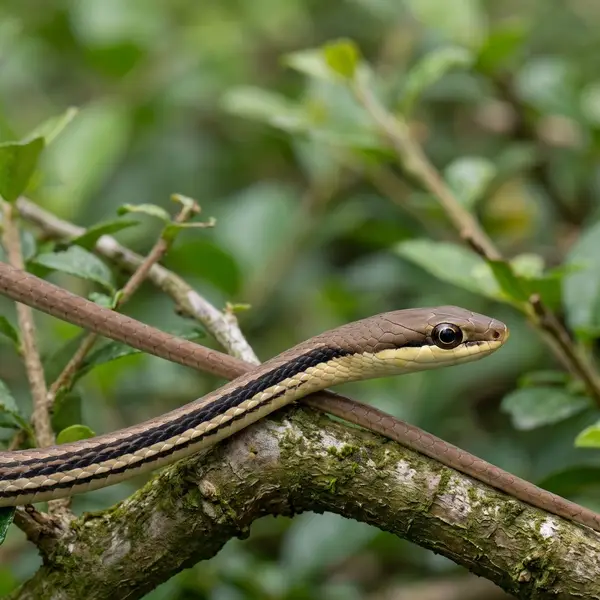 Striped bronzebackDendrelaphis caudolineatusGIVE SPACE
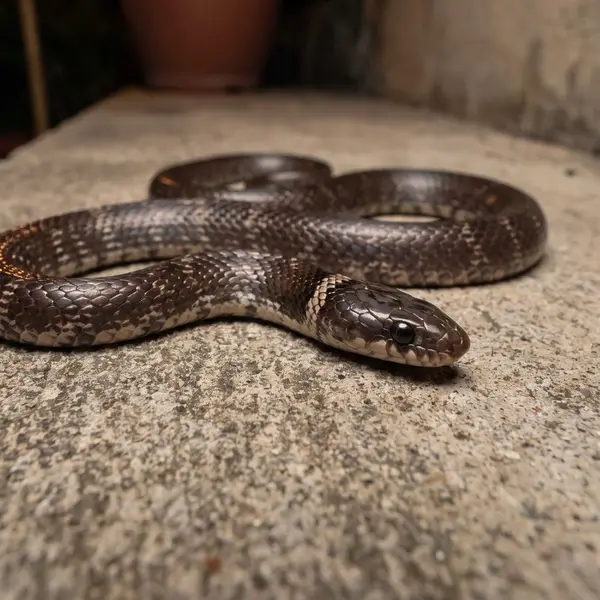 Common wolf snakeLycodon capucinusGIVE SPACE
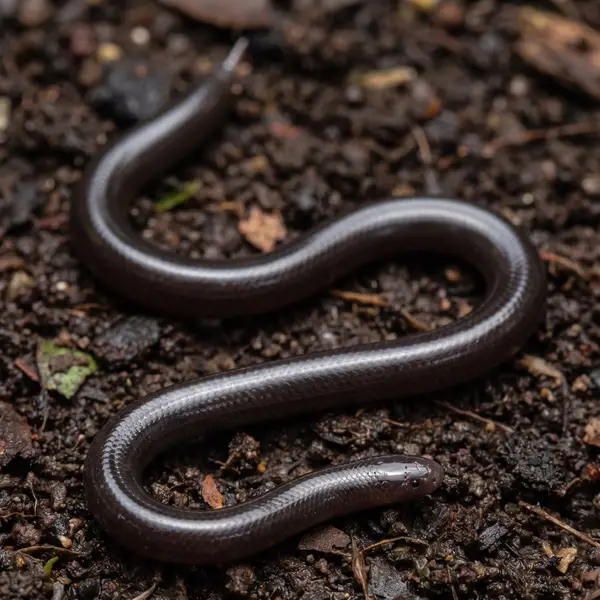 Brahminy blind snakeIndotyphlops braminusHARMLESS