
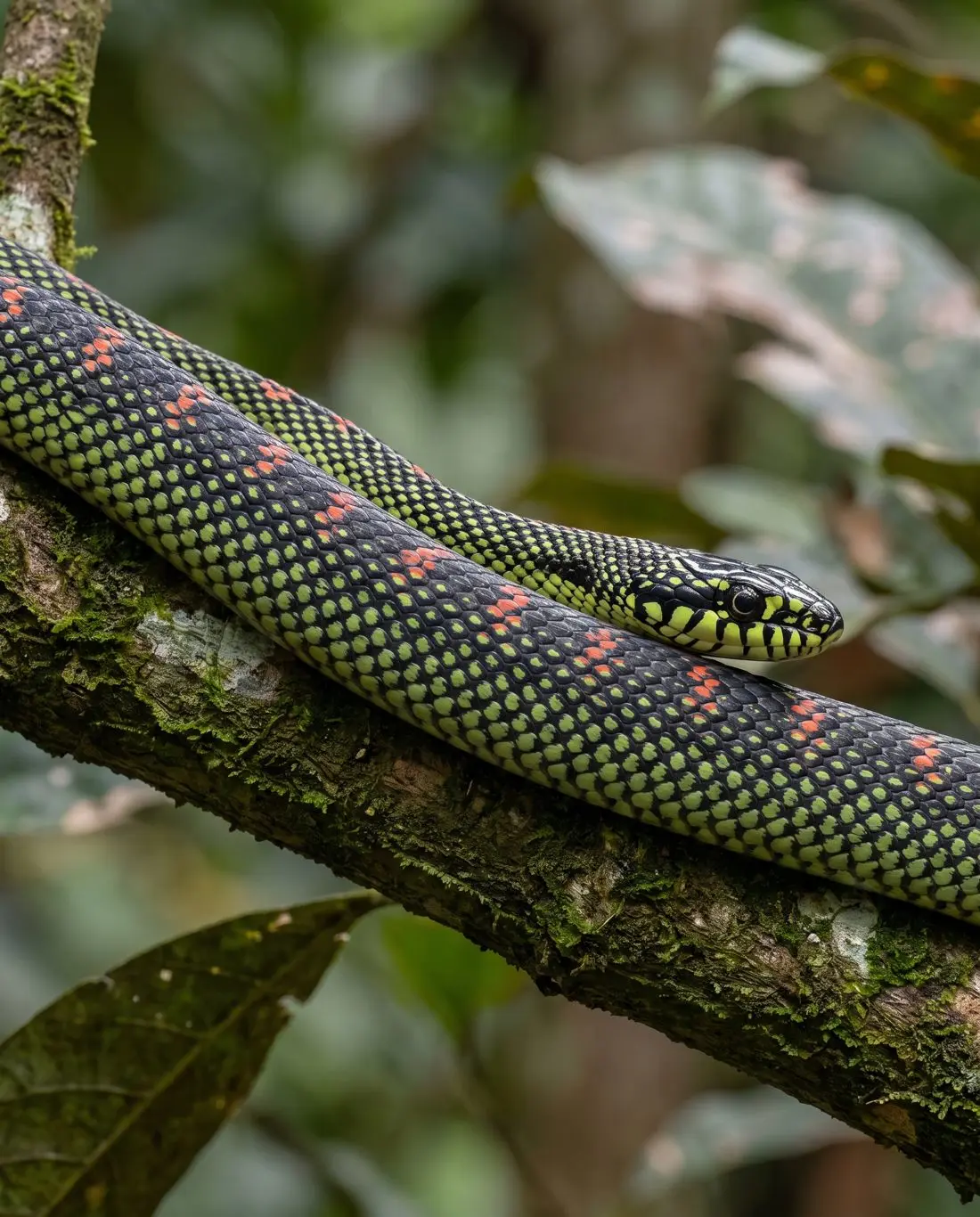
The paradise tree snake is one of Singapore's most colourful snakes, and it can glide from tree to tree. It lives high in trees in parks, gardens and forest. It is mildly venomous but not dangerous to people.
How to recognise it
It is a slender snake about 1 m long, with a long tail. The body is black, and almost every scale has a bright green to yellow-green centre. This gives it a speckled, almost glowing look. Many have a row of red or orange spots down the middle of the back.
The head is black with yellow-green bars across it. The belly is pale green, with ridged edges on the belly scales that help it grip bark when climbing.
Where it lives in Singapore
It is native and common across Singapore. It lives in mangroves, secondary forest, parks and gardens, and it does well in leafy suburbs. It likes tall trees and coconut palm crowns. It is sometimes seen on walls, roofs and window grilles when it comes down from the trees.
Outside Singapore, it ranges from parts of Myanmar and southern Thailand through Peninsular Malaysia to Sumatra, Java, Borneo, Sulawesi and parts of the Philippines.
How it glides
To glide, it hangs from a high branch in a J shape, then launches into the air. It flattens its body to about twice its normal width and makes its belly slightly hollow, like a long wing. It keeps waving its body from side to side in the air, which stops it tumbling.
Much of the science on this was done in Singapore. In a study published in 2002, researchers filmed these snakes leaving a 10 m tower. Most landed about 10 m from the base, and the best glided 21 m. A follow-up study in 2005 found that smaller snakes tended to glide farther, at shallower angles, than larger ones.
A 2020 study using high-speed cameras and computer models showed that the side-to-side waving is what keeps the snake stable in the air. Without it, the snake would tumble and fall short.
What it eats
It hunts by day in the treetops, mainly for geckos and other tree lizards. It also takes small birds. Weak venom from teeth at the back of its jaw helps it hold and subdue prey.
Life cycle
It lays eggs, like the other flying snakes in its genus. Little has been published about its breeding in Singapore.
Is it dangerous?
It is mildly venomous, but its venom is meant for small lizards and it is not dangerous to people. It may bite if handled. It sits at GIVE SPACE on the danger scale.
Frequently asked questions
Can snakes really fly in Singapore?
The paradise tree snake cannot fly, but it can glide. In tests in Singapore, most glides from a 10 m tower covered about 10 m, and the best reached 21 m.
Is the paradise tree snake venomous?
Mildly. It has weak venom and rear fangs for catching lizards. It is not dangerous to people.
Where can you see a paradise tree snake?
In tall trees in parks, gardens, mangroves and forest across Singapore. It is active in the daytime.
What does the paradise tree snake eat?
Mainly geckos and other lizards that live in trees, plus some small birds.
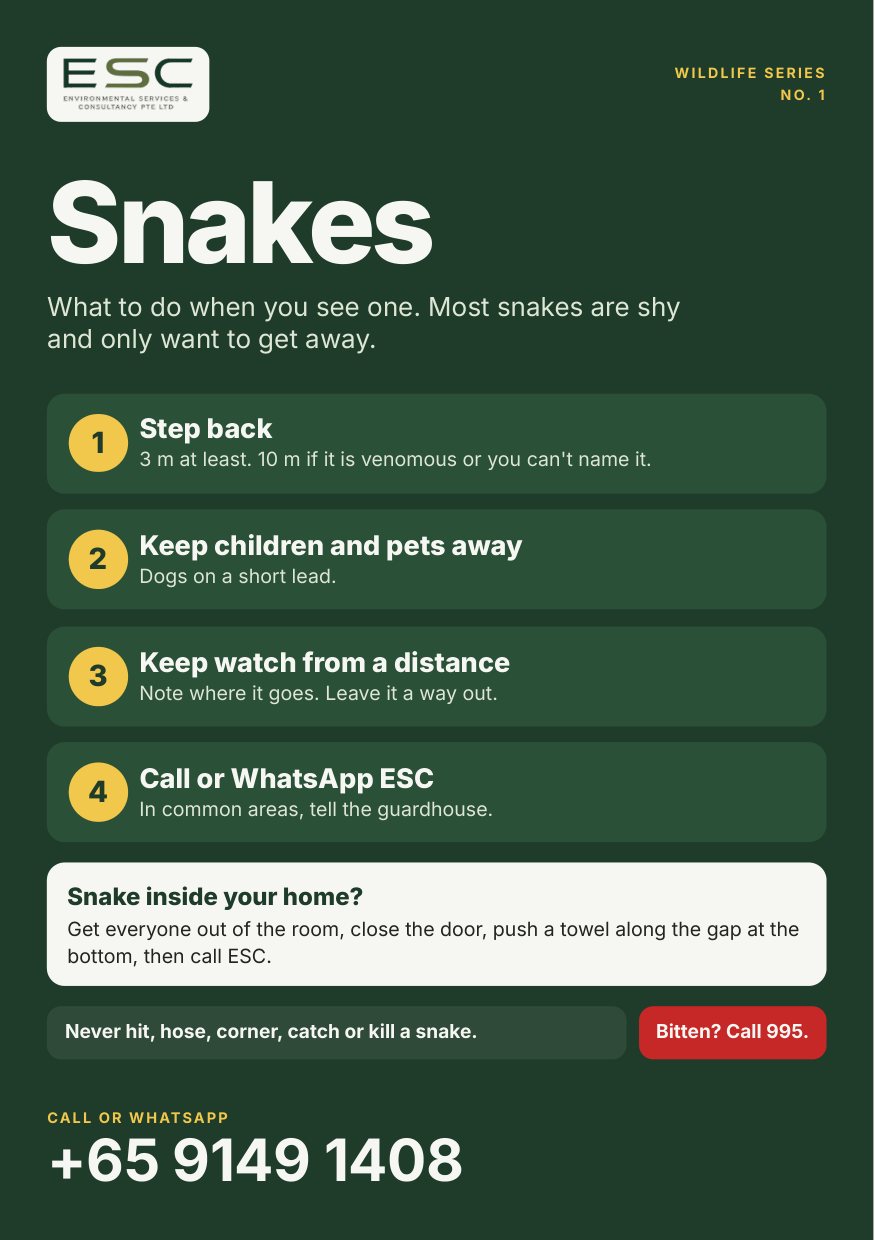
More snakes in Singapore
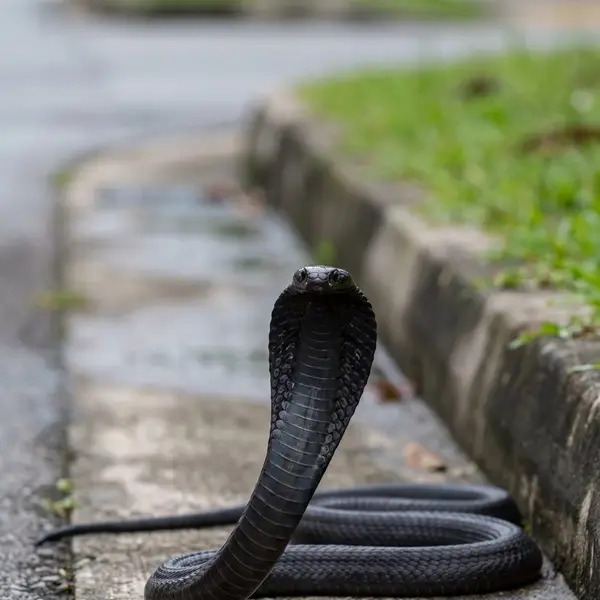 Equatorial spitting cobraNaja sumatranaDANGEROUS
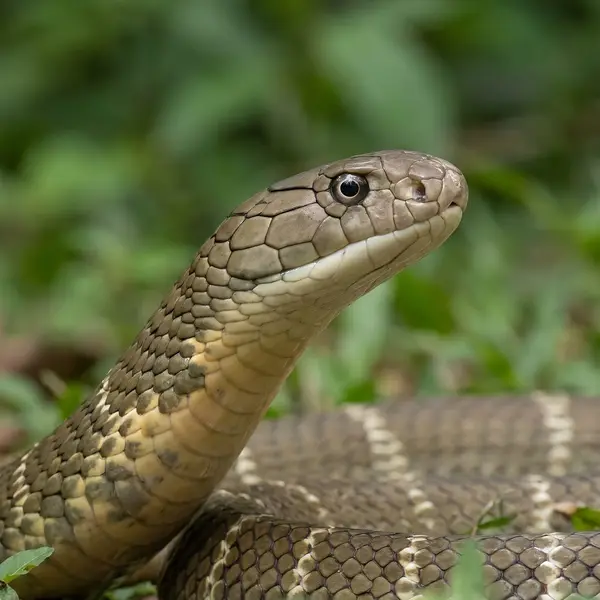 King cobraOphiophagus bungarusDANGEROUS
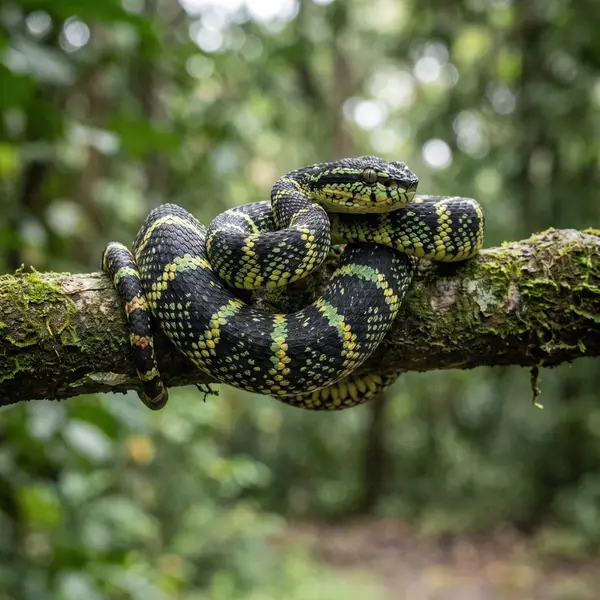 Wagler's pit viperTropidolaemus wagleriDANGEROUS
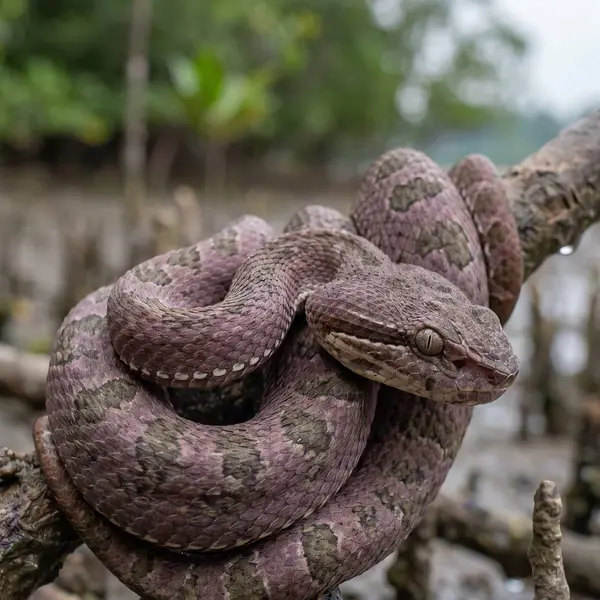 Shore pit viperTrimeresurus purpureomaculatusDANGEROUS
- Banded kraitBungarus fasciatusDANGEROUS
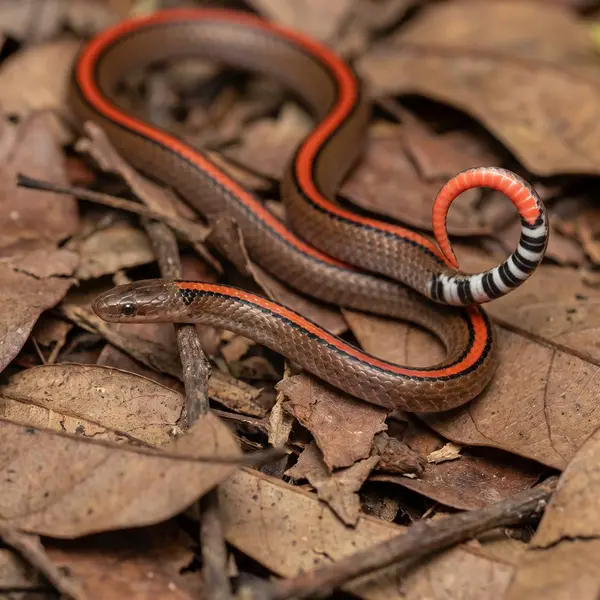 Banded Malayan coral snakeCalliophis intestinalisDANGEROUS
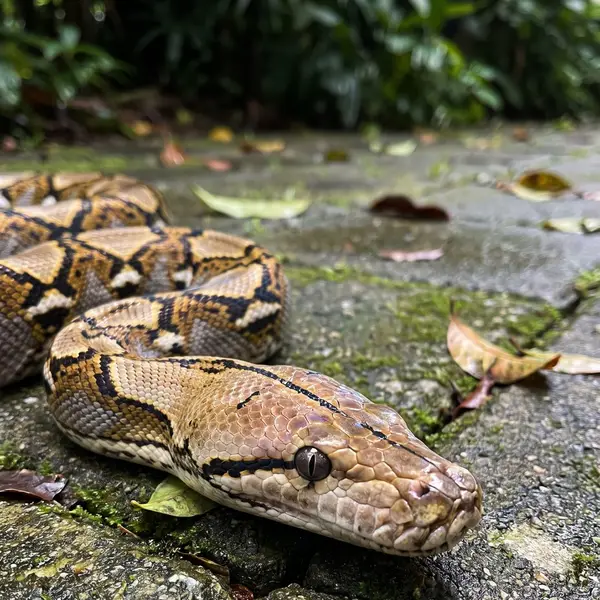 Reticulated pythonMalayopython reticulatusGIVE SPACE
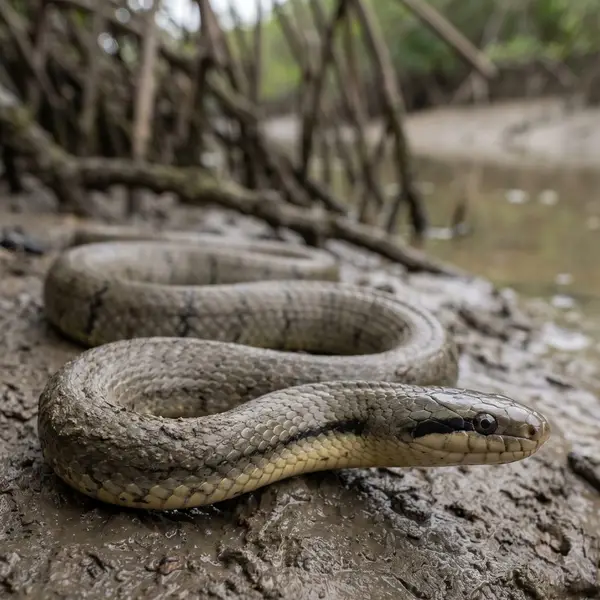 Dog-faced water snakeCerberus schneideriiGIVE SPACE
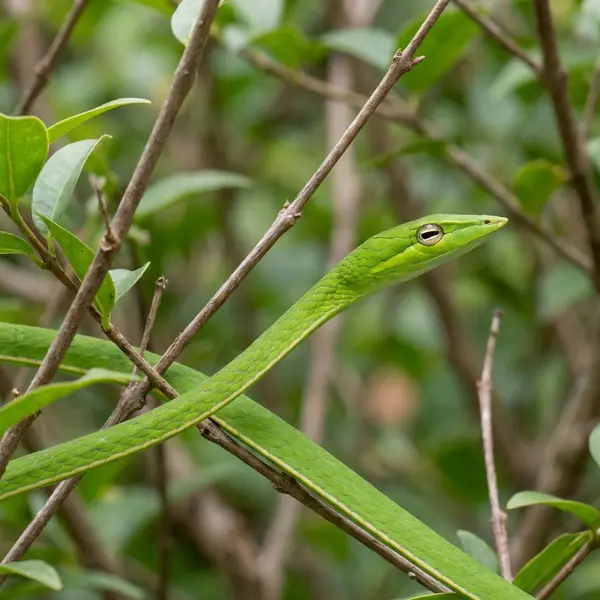 Oriental whip snakeAhaetulla prasinaGIVE SPACE
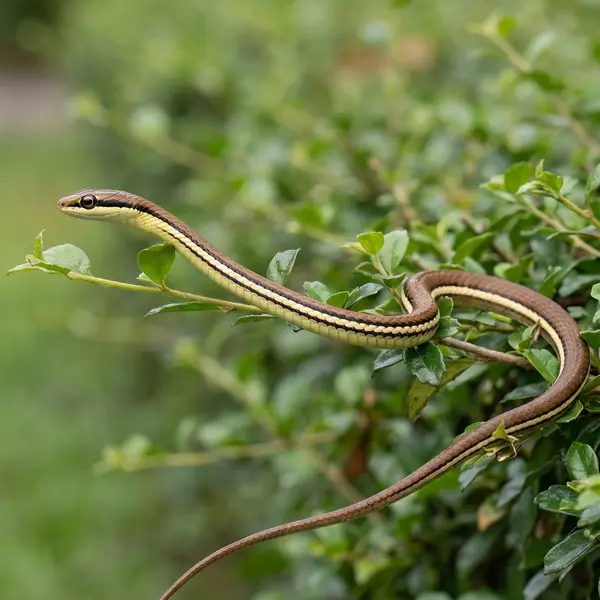 Painted bronzebackDendrelaphis pictusGIVE SPACE
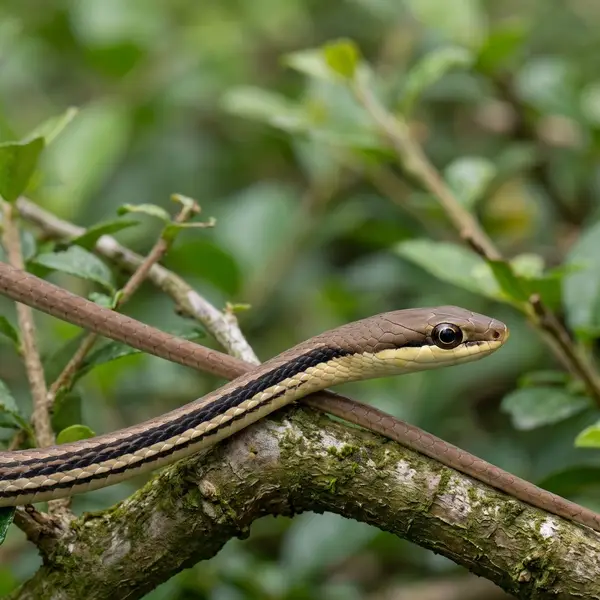 Striped bronzebackDendrelaphis caudolineatusGIVE SPACE
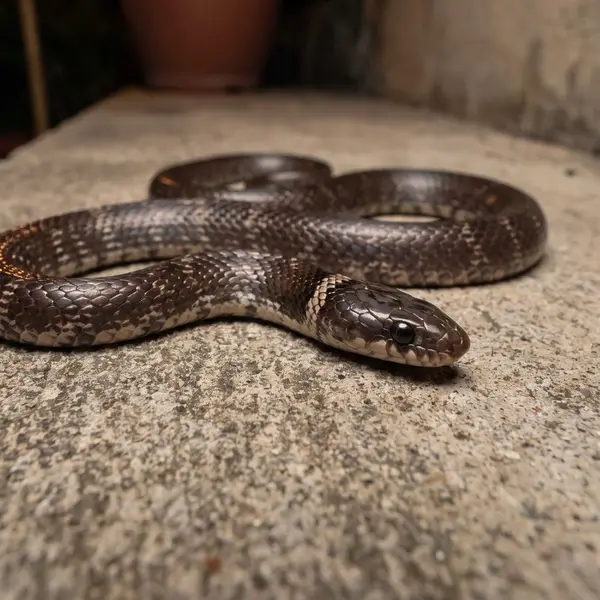 Common wolf snakeLycodon capucinusGIVE SPACE
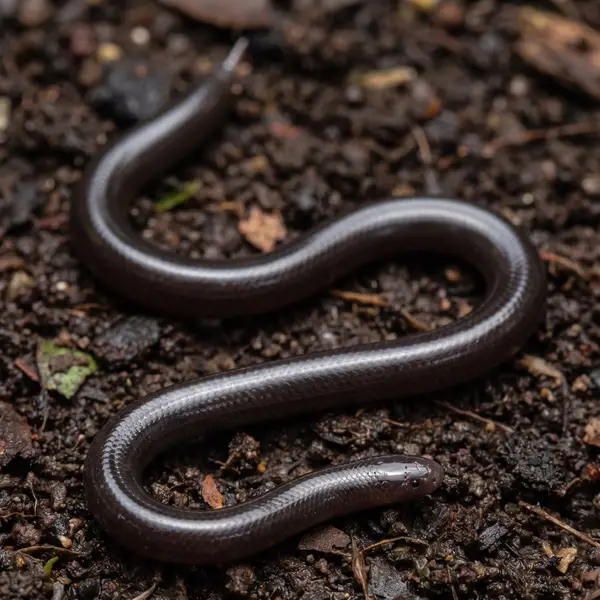 Brahminy blind snakeIndotyphlops braminusHARMLESS