
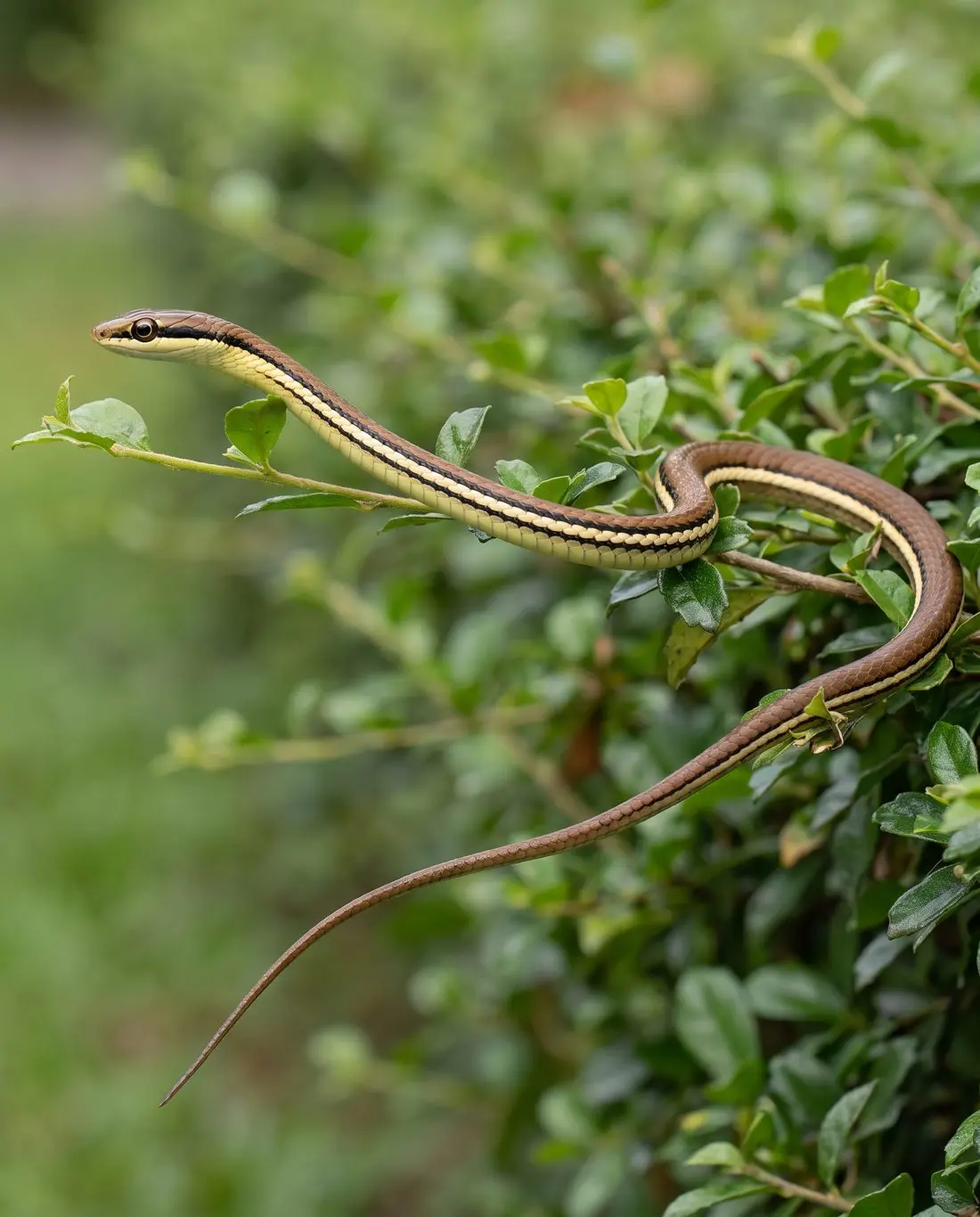
The painted bronzeback is a slim, fast snake with a bronze back. It is very common in hedges and gardens and may be the most common snake in Singapore. It has no venom.
How to recognise it
It is slim, usually under 1 m long, with a head slightly wider than its neck and large eyes. The back is bronze to coppery brown, with a row of enlarged scales running down the middle. A cream or pale yellow stripe runs along each lower side, edged with black. A bold black stripe runs from the snout through the eye and down the side of the neck.
When it feels threatened, or while swallowing large prey, it puffs up its body. This spreads the scales apart and shows bright turquoise-blue skin in between.
Where it lives in Singapore
It is native and very common. It lives in hedges, shrubs and low trees in parks, gardens, condo grounds, scrub and forest edges, and is rarely found deep in dense forest. Researchers have counted 66 along a single survey route. They consider it possibly Singapore's most common and abundant snake.
An illustration published in London in the 1830s, drawn from a Singapore specimen, is thought to be the earliest record of this snake here. A 1923 account already called it very common. Beyond Singapore, it ranges from Myanmar, Thailand and Indochina through Peninsular Malaysia to Sumatra, Java and Borneo. Snakes in the Philippines and Sulawesi once counted as this species are now treated as a separate one.
What it eats
It hunts frogs and lizards, spotting them with its large eyes and chasing them down. Tree frogs, geckos and skinks are typical prey. In 2013, a painted bronzeback about 1 m long was photographed in the Singapore Zoo grounds gripping an adult four-lined tree frog by the back of its neck. In 2009, another at the zoo was found resting beside a large tadpole it had apparently attacked and then abandoned.
Behaviour
It is fully active by day and climbs very well, moving fast through branches and across the tops of hedges. It is nervous and usually darts away the moment it is disturbed. At night it sleeps stretched out on thin branches a few metres above the ground. It often basks in the morning sun.
Life cycle
It lays eggs. A hatchling found at the Singapore Zoo in 2009, still with its umbilical scar, was only about 20 cm long. Adults reach about 1 m, and a few grow to about 1.25 m.
Is it dangerous?
No. It has no venom. Like any wild animal it may bite if grabbed or cornered, but it would much rather flee. It sits at GIVE SPACE on the danger scale.
Frequently asked questions
Is the painted bronzeback venomous?
No. The painted bronzeback has no venom. It may bite if caught, but it usually flees.
What is the most common snake in Singapore?
The painted bronzeback may be the most common and abundant snake in Singapore, especially in parks and gardens.
Why does a bronzeback show blue colour?
When threatened it puffs up its body, spreading its scales to show turquoise-blue skin in between.
What does a painted bronzeback eat?
Frogs and lizards, such as tree frogs, geckos and skinks.
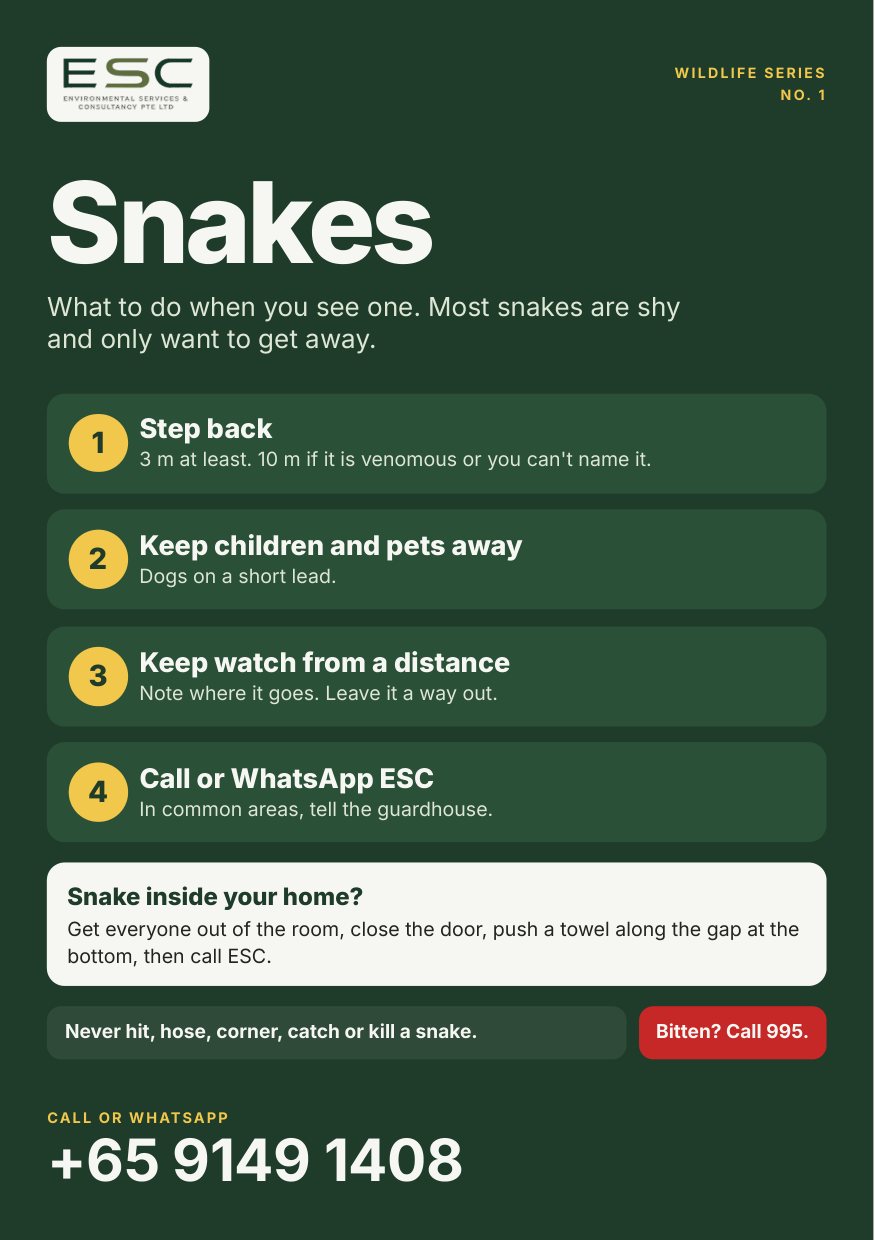
More snakes in Singapore
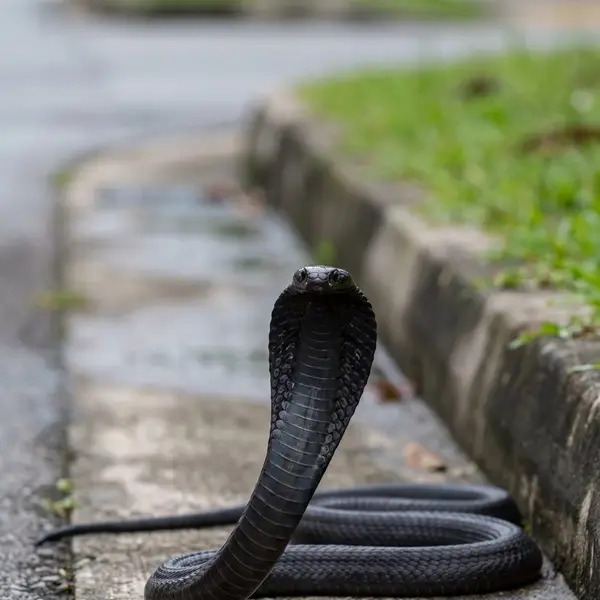 Equatorial spitting cobraNaja sumatranaDANGEROUS
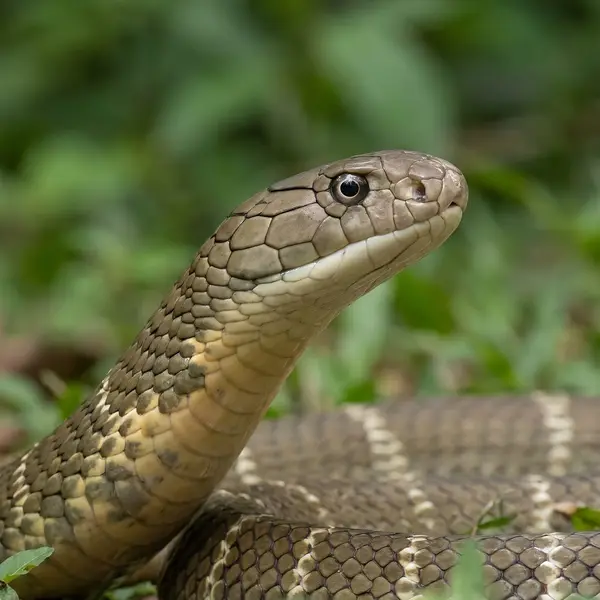 King cobraOphiophagus bungarusDANGEROUS
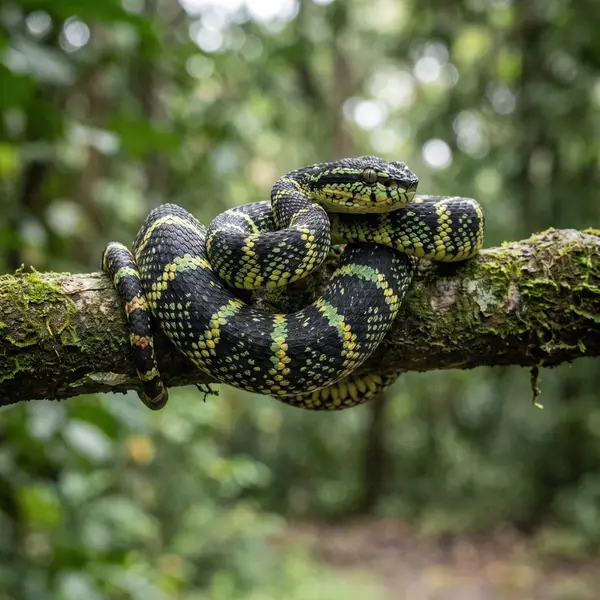 Wagler's pit viperTropidolaemus wagleriDANGEROUS
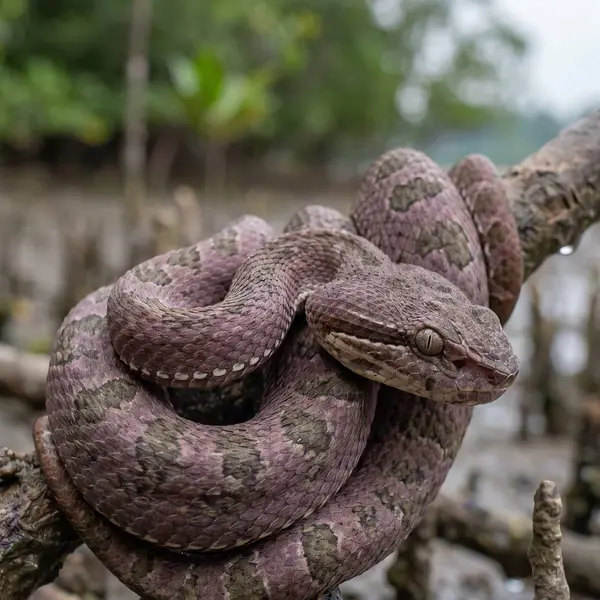 Shore pit viperTrimeresurus purpureomaculatusDANGEROUS
- Banded kraitBungarus fasciatusDANGEROUS
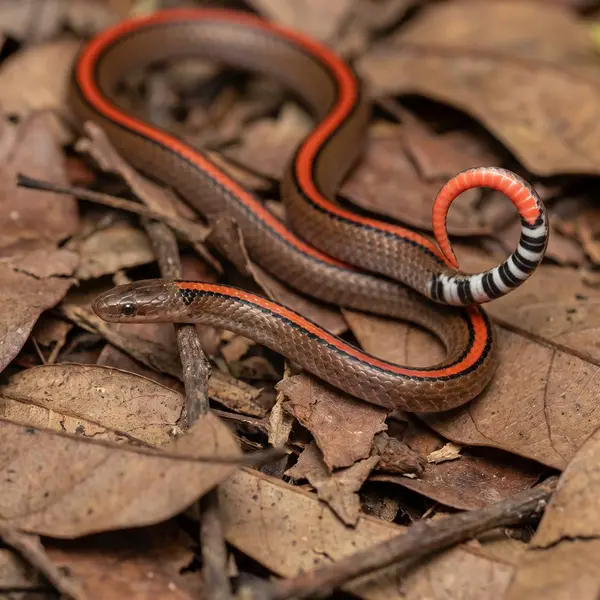 Banded Malayan coral snakeCalliophis intestinalisDANGEROUS
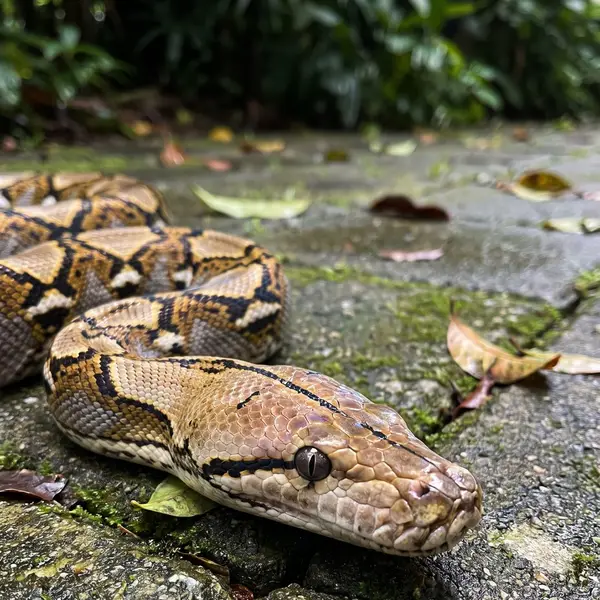 Reticulated pythonMalayopython reticulatusGIVE SPACE
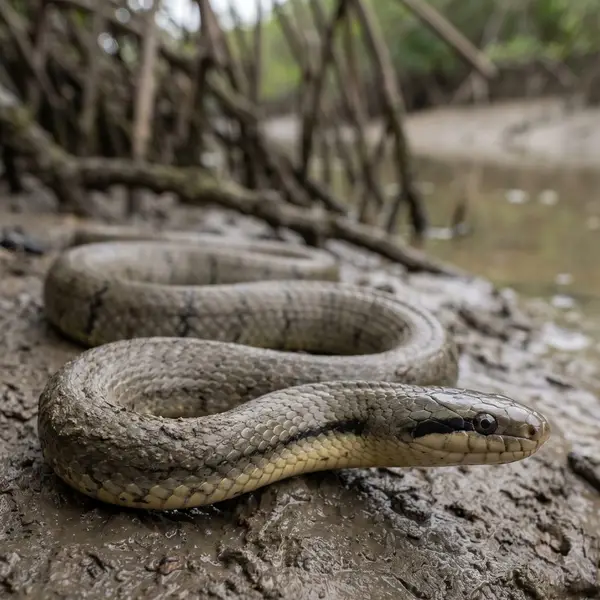 Dog-faced water snakeCerberus schneideriiGIVE SPACE
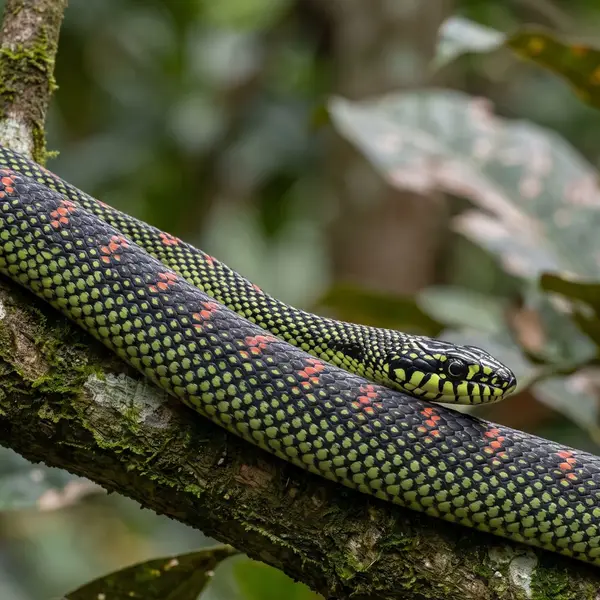 Paradise tree snakeChrysopelea paradisiGIVE SPACE
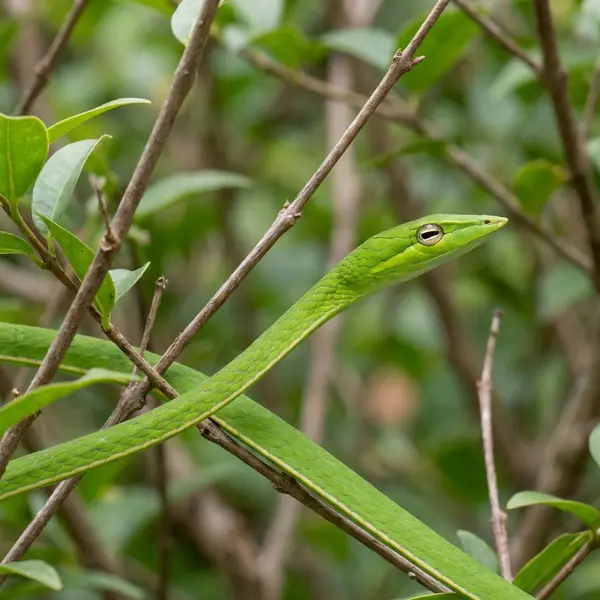 Oriental whip snakeAhaetulla prasinaGIVE SPACE
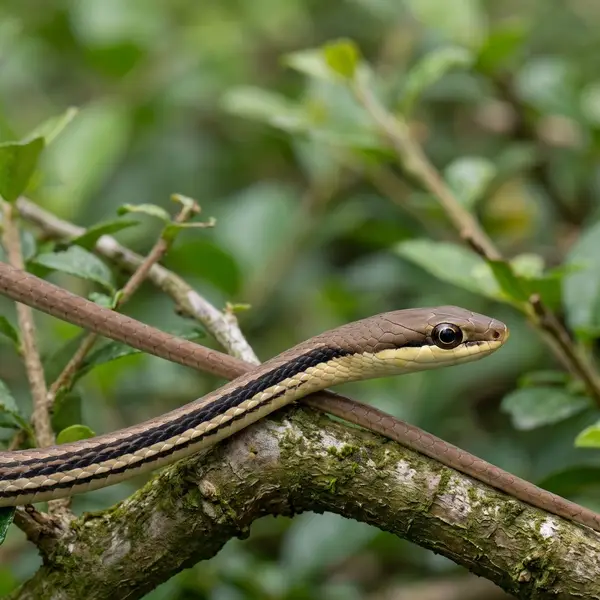 Striped bronzebackDendrelaphis caudolineatusGIVE SPACE
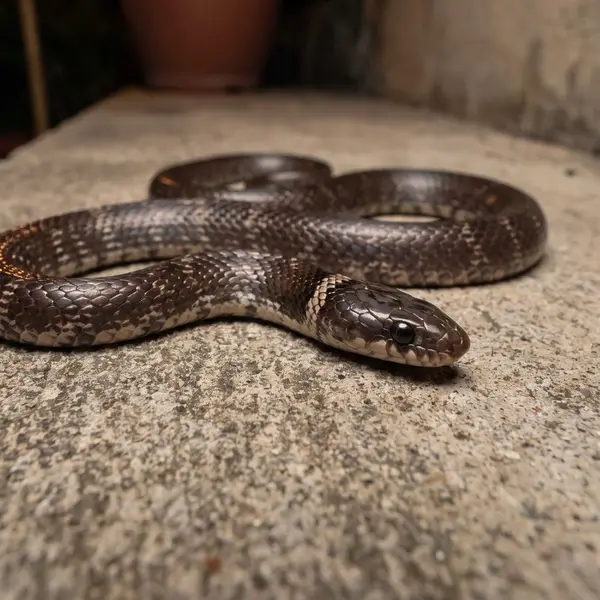 Common wolf snakeLycodon capucinusGIVE SPACE
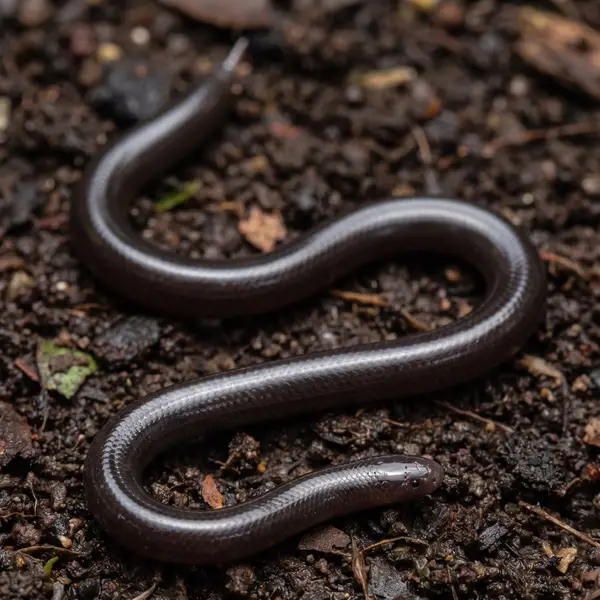 Brahminy blind snakeIndotyphlops braminusHARMLESS