
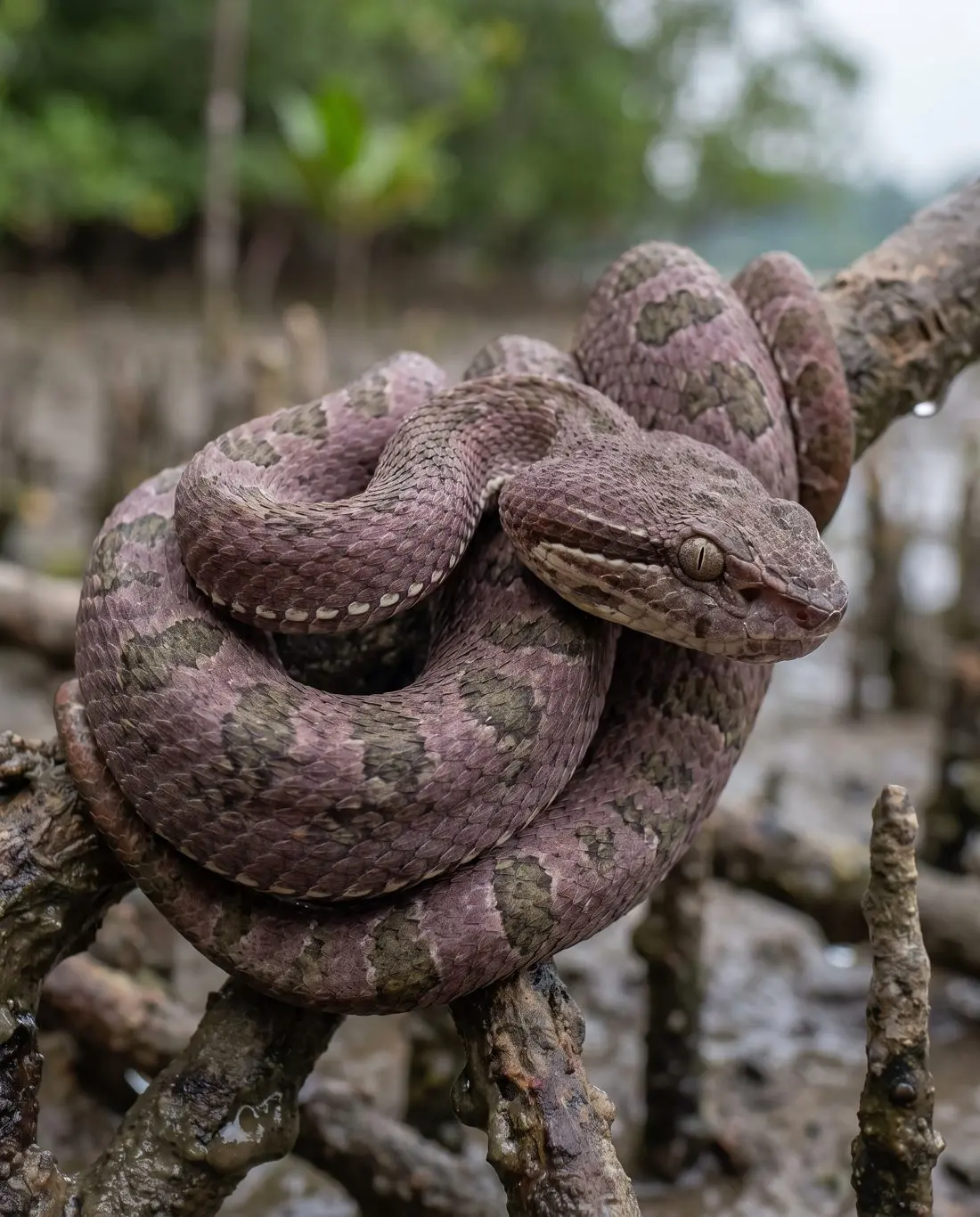
The shore pit viper is Singapore's mangrove pit viper. It spends the day coiled on low branches and roots above the mud. Its dull grey and purple-brown colours blend in so well with mangrove bark that it is easy to walk past one.
How to recognise it
This is a stout snake with a broad, triangular head, a narrow neck and rough, strongly keeled scales. Like other pit vipers it has a heat-sensing pit between each eye and nostril, and vertical pupils.
Colour varies a lot. Many are plain dark grey or purplish-brown. Others are brown with a faint pattern, or greenish-yellow with dark mottling. Some have a pale stripe along the lower edge of each side.
Its scientific name, purpureomaculatus, means purple-spotted, although many individuals have no purple spots.
Where it lives in Singapore
It is a specialist of mangroves and coastal forest. Singapore records include the mangroves of Sungei Buloh and Pasir Ris.
By day it usually rests 1 to 2 m off the ground on low branches, roots and tree trunks.
Beyond Singapore, it is found in Myanmar, southern Thailand, Peninsular Malaysia and Sumatra.
What it eats
Little has been published on its diet. Pit vipers of its group take small animals such as lizards, frogs, birds and rodents. In Singapore it has been recorded climbing down from the trees onto the mud to catch and swallow a crab-eating water snake. Like other pit vipers, it uses its heat pits to sense warm-blooded prey in the dark.
Behaviour
During the day it stays coiled and still, relying on camouflage, and like most pit vipers it is thought to hunt mainly after dark. It is known for striking readily at a perceived threat, with little or no warning.
Its dull grey and purple-brown colours match mangrove bark and the mud below, so a resting snake is very hard to spot even at close range.
It has its own predators. In Singapore it has been recorded being eaten by king cobras, and records also mention estuarine crocodiles and buffy fish owls.
Life cycle
Females are larger than males, reaching about 90 cm compared with about 67 cm for males. The young develop in eggs kept inside the mother's body, and are born live, ready to fend for themselves.
Is it dangerous?
Yes. Its venom mainly affects blood and tissue. Bites can cause marked pain and swelling, and some cases involve serious bleeding problems that need antivenom. In Malaysia it was the pit viper most often involved in confirmed bites referred to a national envenomation consultancy service from 2017 to 2020, with no deaths recorded in that study.
Frequently asked questions
Where do shore pit vipers live in Singapore?
In mangroves and coastal forest. Sungei Buloh and Pasir Ris are two places where they have been recorded.
Is the shore pit viper venomous?
Yes. Its bite causes painful swelling and can affect blood clotting. Bites are treated in hospital.
What colour is a shore pit viper?
Usually dark grey or purplish-brown, but some are brown with a faint pattern or greenish-yellow with mottling. Some have a pale stripe along each side.
Is the shore pit viper the same as the mangrove pit viper?
Yes. Both names refer to Trimeresurus purpureomaculatus.
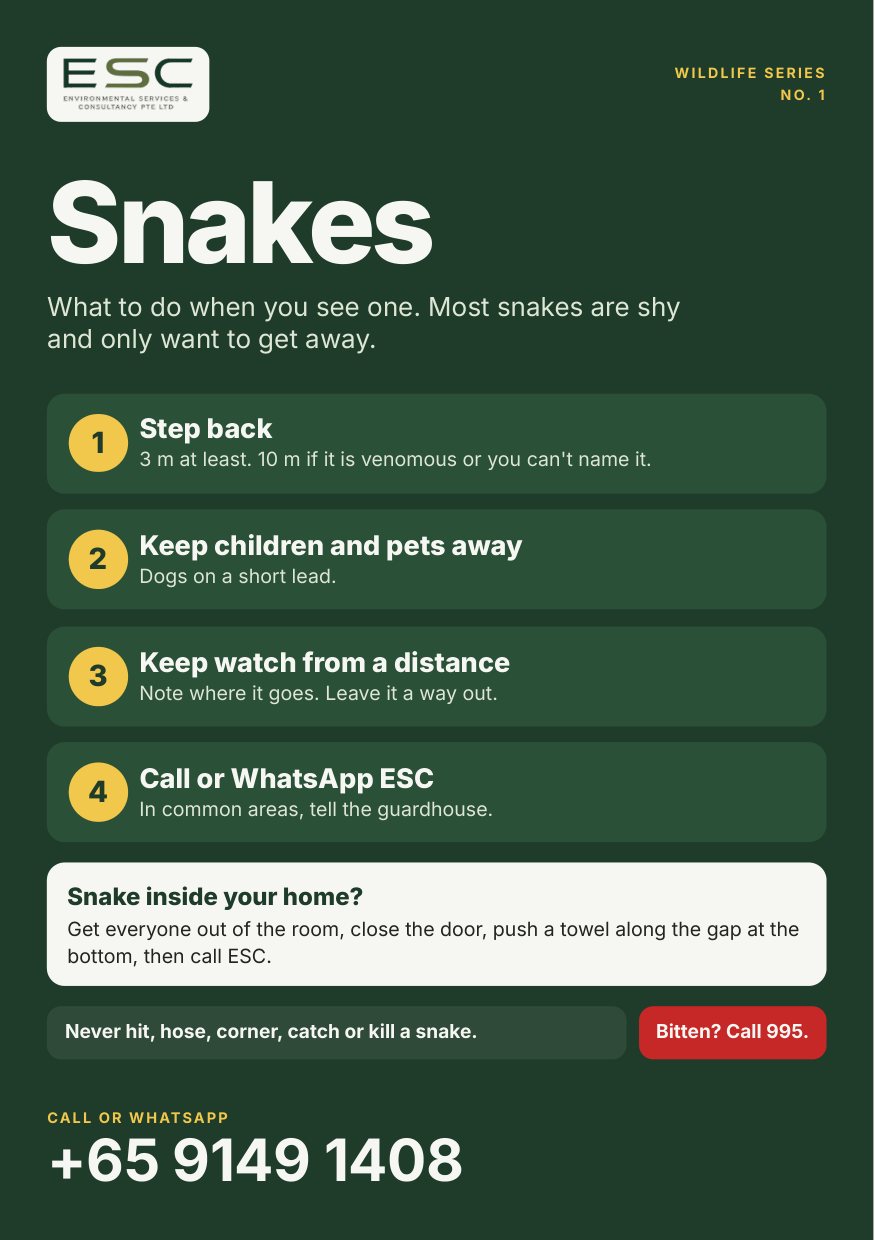
More snakes in Singapore
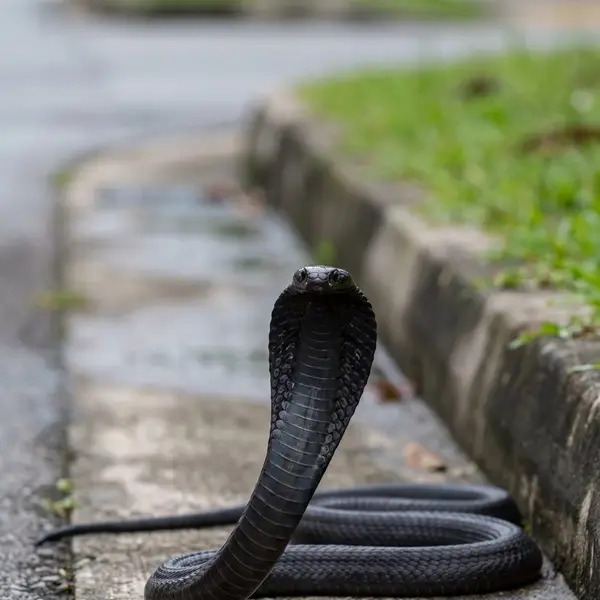 Equatorial spitting cobraNaja sumatranaDANGEROUS
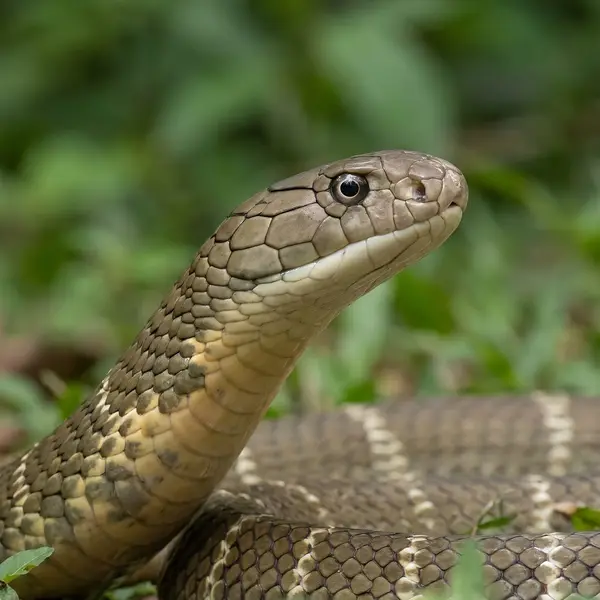 King cobraOphiophagus bungarusDANGEROUS
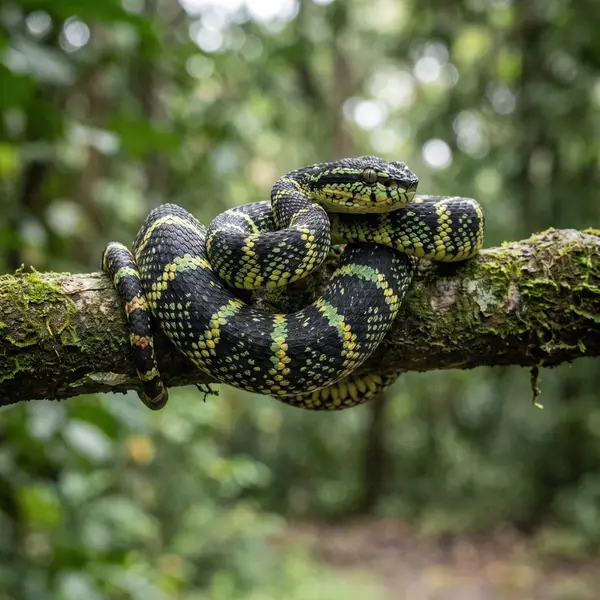 Wagler's pit viperTropidolaemus wagleriDANGEROUS
- Banded kraitBungarus fasciatusDANGEROUS
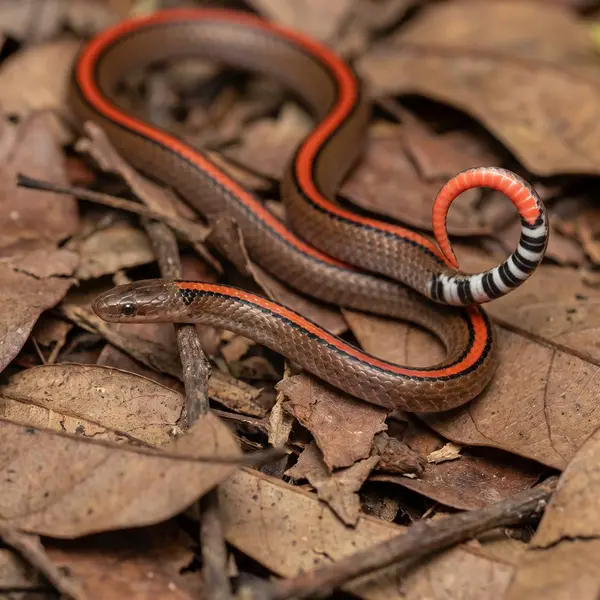 Banded Malayan coral snakeCalliophis intestinalisDANGEROUS
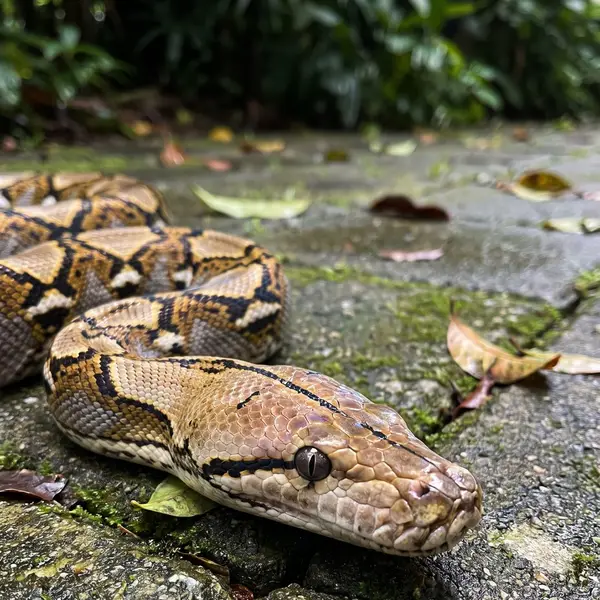 Reticulated pythonMalayopython reticulatusGIVE SPACE
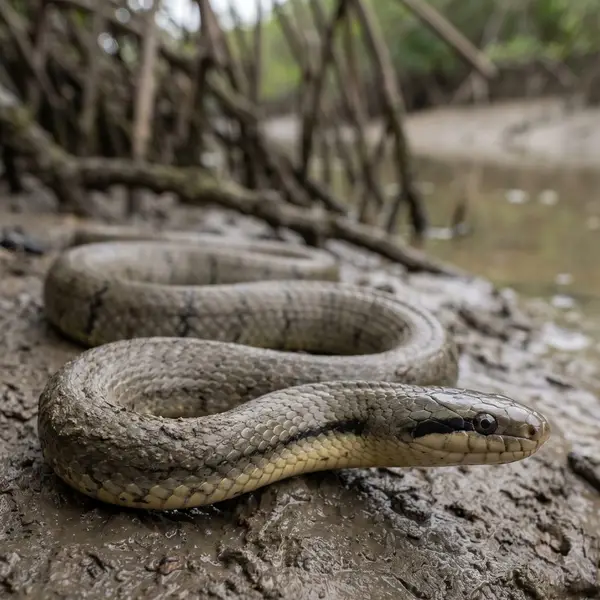 Dog-faced water snakeCerberus schneideriiGIVE SPACE
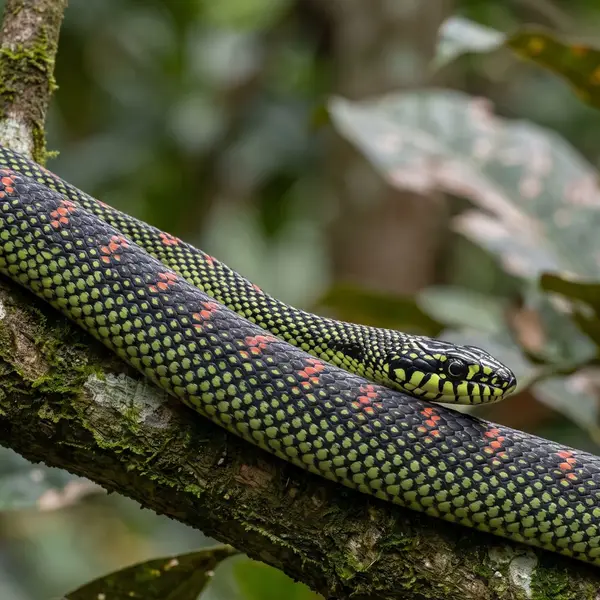 Paradise tree snakeChrysopelea paradisiGIVE SPACE
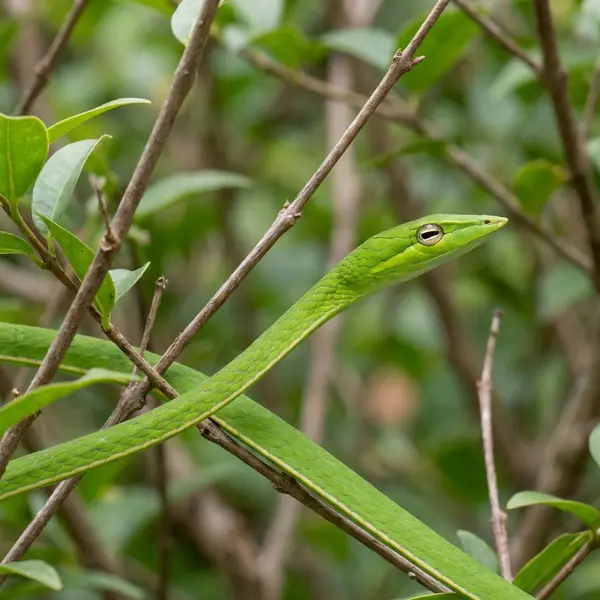 Oriental whip snakeAhaetulla prasinaGIVE SPACE
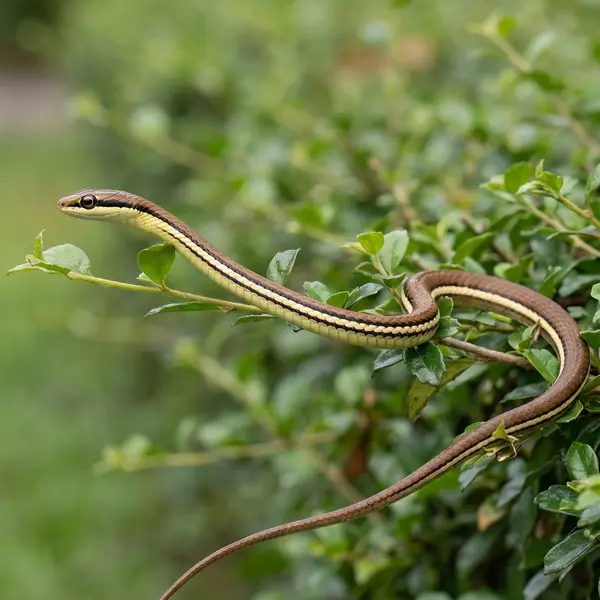 Painted bronzebackDendrelaphis pictusGIVE SPACE
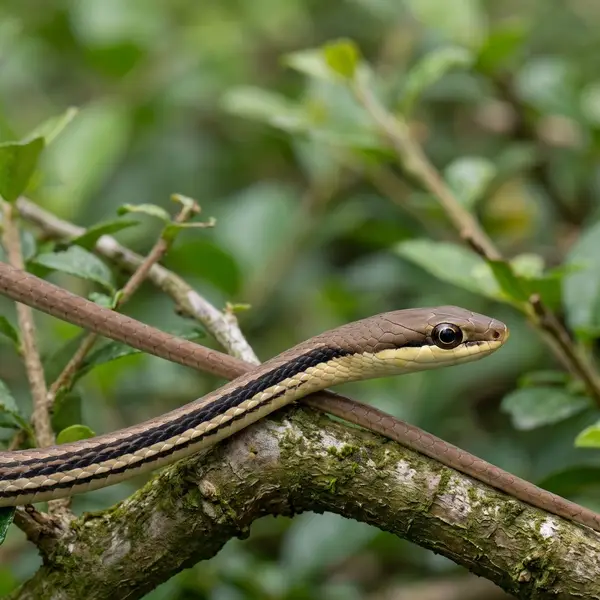 Striped bronzebackDendrelaphis caudolineatusGIVE SPACE
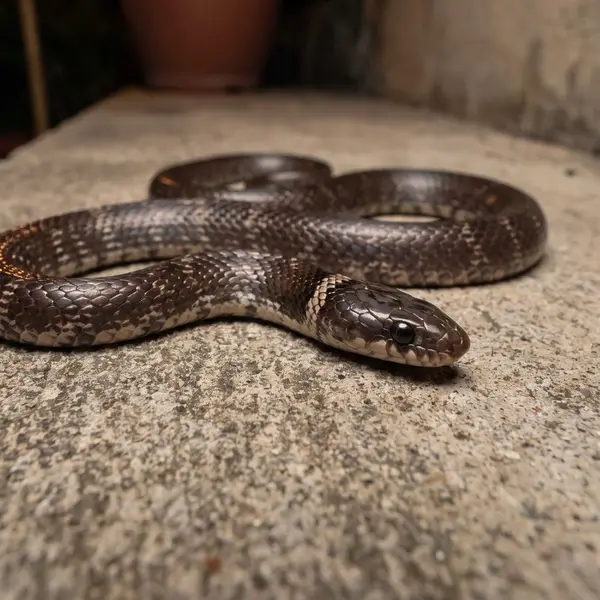 Common wolf snakeLycodon capucinusGIVE SPACE
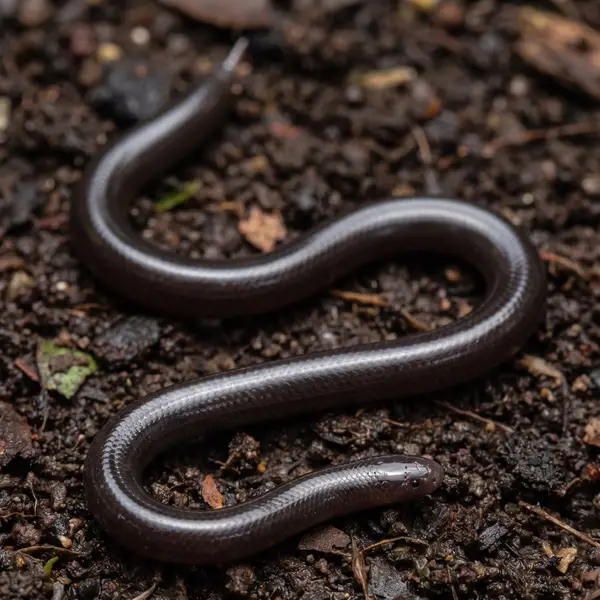 Brahminy blind snakeIndotyphlops braminusHARMLESS