
The banded krait is one of Singapore's most striking snakes, ringed from head to tail in bold black and yellow. It is highly venomous, but it is shy, slow to react by day and seldom seen. In Singapore it lives mostly in mangroves and coastal areas, where it hunts other snakes.
How to recognise it
The bands are wide and even, black alternating with yellow, and they go all the way around the body. A high ridge runs along the spine, giving the body a triangular shape in cross-section. The scales along this ridge are larger than the rest, and all the scales are smooth and glossy. The black bands are about as wide as the yellow ones, and some snakes have small black speckles on the yellow.
The head is small and about as wide as the neck, with small dark eyes. It is mostly black on top, with yellow on the lips, chin and throat. The tail is short and ends in a blunt tip rather than a sharp point.
Where it lives in Singapore
In Singapore the banded krait seems to favour mangroves and other seashore habitats. It has been recorded on Pulau Ubin, including the Chek Jawa wetlands, on Pulau Tekong, and at Lim Chu Kang, Sungei Buloh and Khatib Bongsu. Across its wider range in Asia it also lives in lowland woods, swamps and hill forest.
Its full range runs from India and southern China through Southeast Asia to Sumatra, Java and Borneo. A 2023 genetic study found at least three distinct lineages across this range, and suggested it may hold more than one species.
What it eats
Other snakes are its main food. It also eats lizards, frogs, fish and rodents, and sometimes reptile eggs. In Singapore's mangroves, the mounds built by mud lobsters shelter water snakes such as the dog-faced water snake and the crab-eating water snake, which makes them likely hunting spots for kraits.
Behaviour
The banded krait is mainly active at night. By day it is sluggish and often hides its head under its coils when disturbed rather than striking. After dark it becomes much more alert as it searches for prey. It swims well and moves easily between mangrove roots and water.
One krait about 1.7 m long was watched at Chek Jawa on a morning in August 2019, swimming between mangrove roots before sliding unhurriedly into a mud lobster mound.
Life cycle
It lays eggs, with clutches of about 6 to 14 recorded. Its scientific name, fasciatus, simply means banded.
Is it dangerous?
Yes. Its venom acts on the nerves and can cause paralysis and death without prompt treatment. Bites to people are rare, because the snake is secretive, active mainly at night and reluctant to bite during the day.
Frequently asked questions
Are there banded kraits in Singapore?
Yes, but they are rare. Most records come from mangroves and coastal areas such as Pulau Ubin, Pulau Tekong, Sungei Buloh and Lim Chu Kang.
Is the banded krait deadly?
It is highly venomous and its nerve-acting venom can kill. It is shy and rarely bites, especially during the day.
What does a banded krait eat?
Mainly other snakes, including mangrove water snakes. It also takes lizards, frogs, fish and rodents.
When is the banded krait active?
Mainly at night. By day it usually rests hidden and is slow to react.
More snakes in Singapore
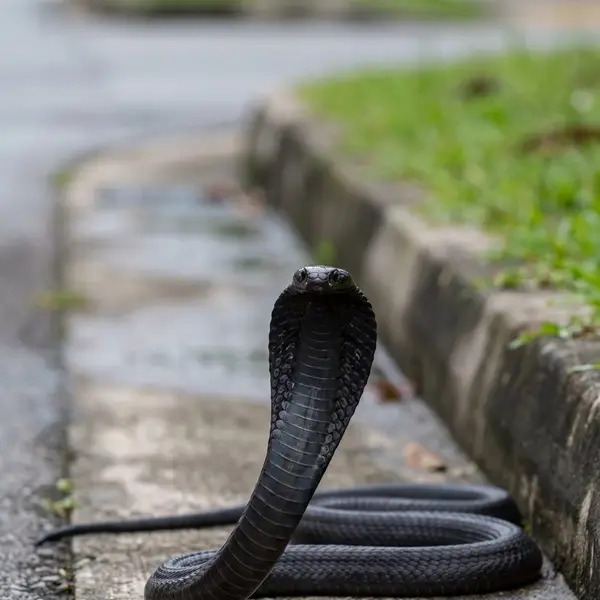 Equatorial spitting cobraNaja sumatranaDANGEROUS
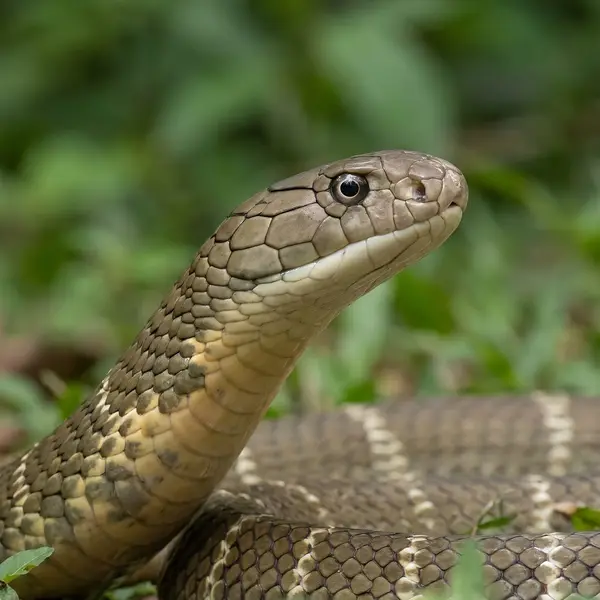 King cobraOphiophagus bungarusDANGEROUS
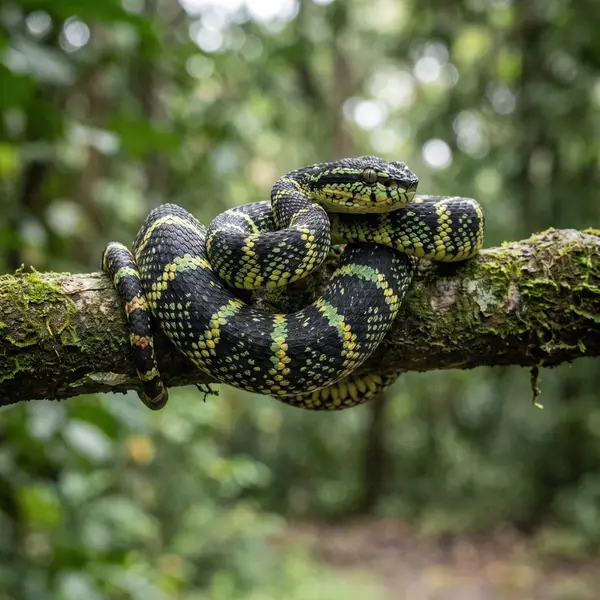 Wagler's pit viperTropidolaemus wagleriDANGEROUS
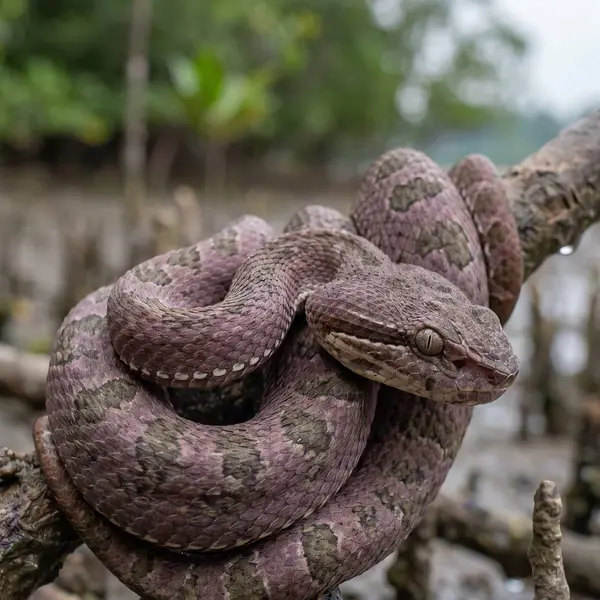 Shore pit viperTrimeresurus purpureomaculatusDANGEROUS
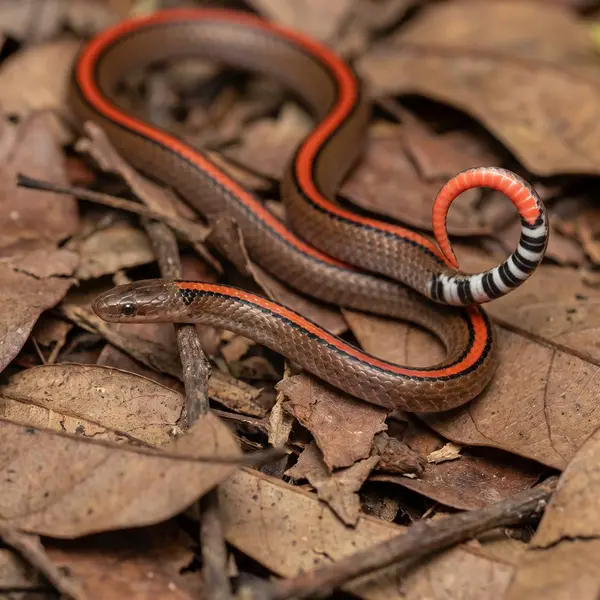 Banded Malayan coral snakeCalliophis intestinalisDANGEROUS
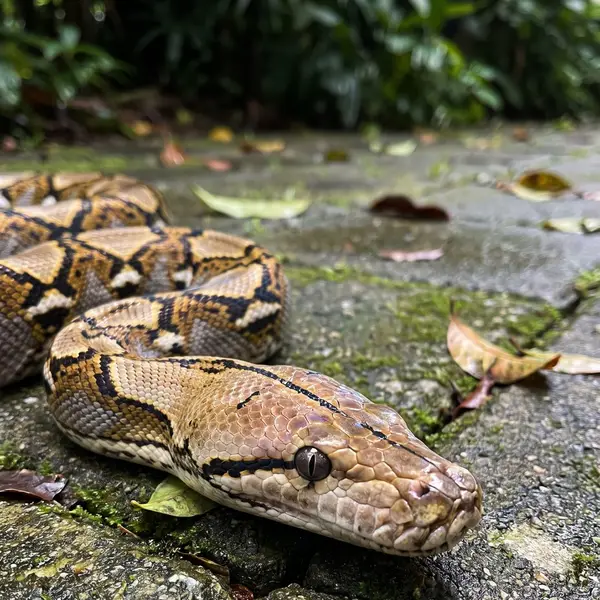 Reticulated pythonMalayopython reticulatusGIVE SPACE
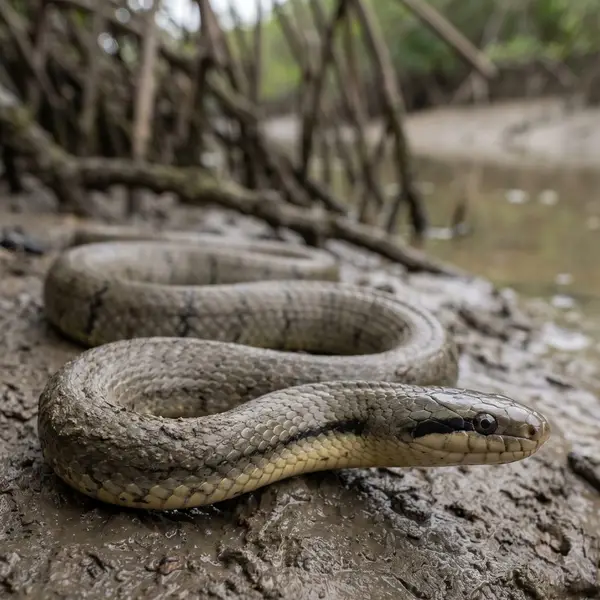 Dog-faced water snakeCerberus schneideriiGIVE SPACE
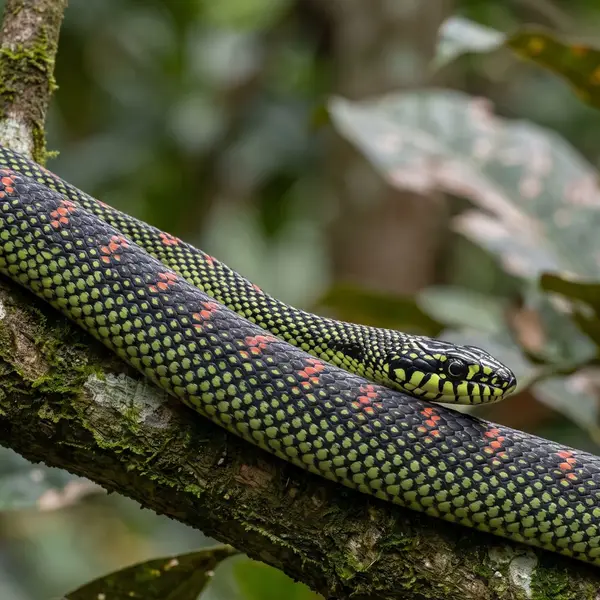 Paradise tree snakeChrysopelea paradisiGIVE SPACE
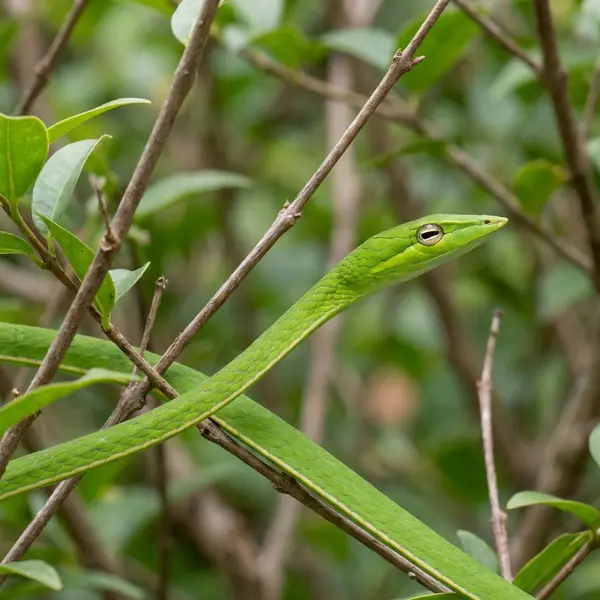 Oriental whip snakeAhaetulla prasinaGIVE SPACE
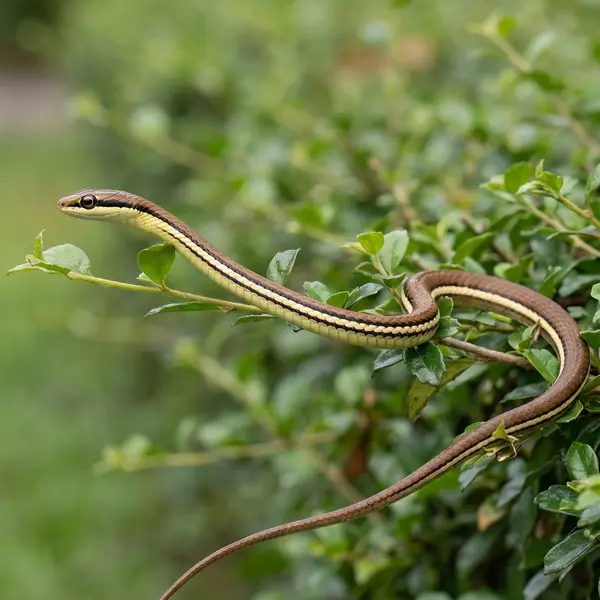 Painted bronzebackDendrelaphis pictusGIVE SPACE
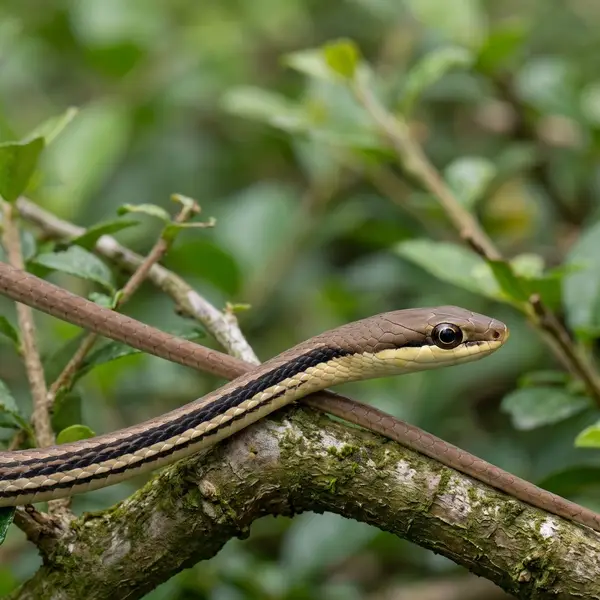 Striped bronzebackDendrelaphis caudolineatusGIVE SPACE
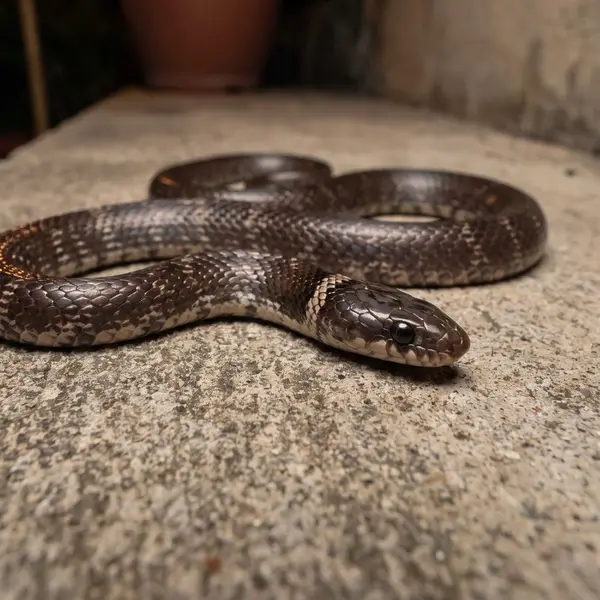 Common wolf snakeLycodon capucinusGIVE SPACE
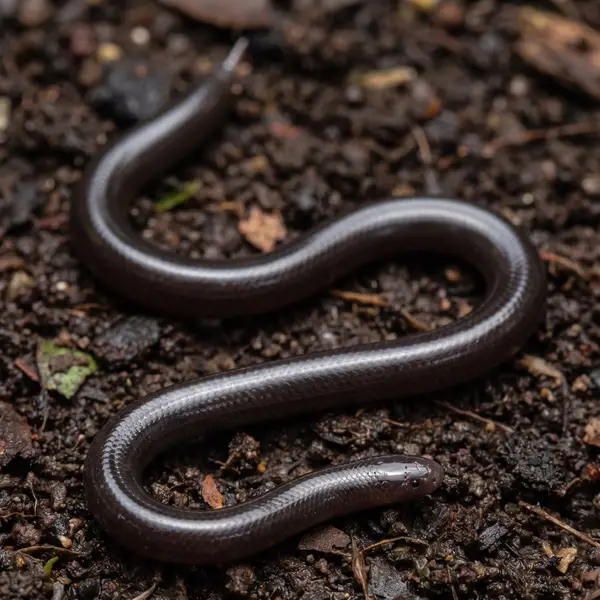 Brahminy blind snakeIndotyphlops braminusHARMLESS