
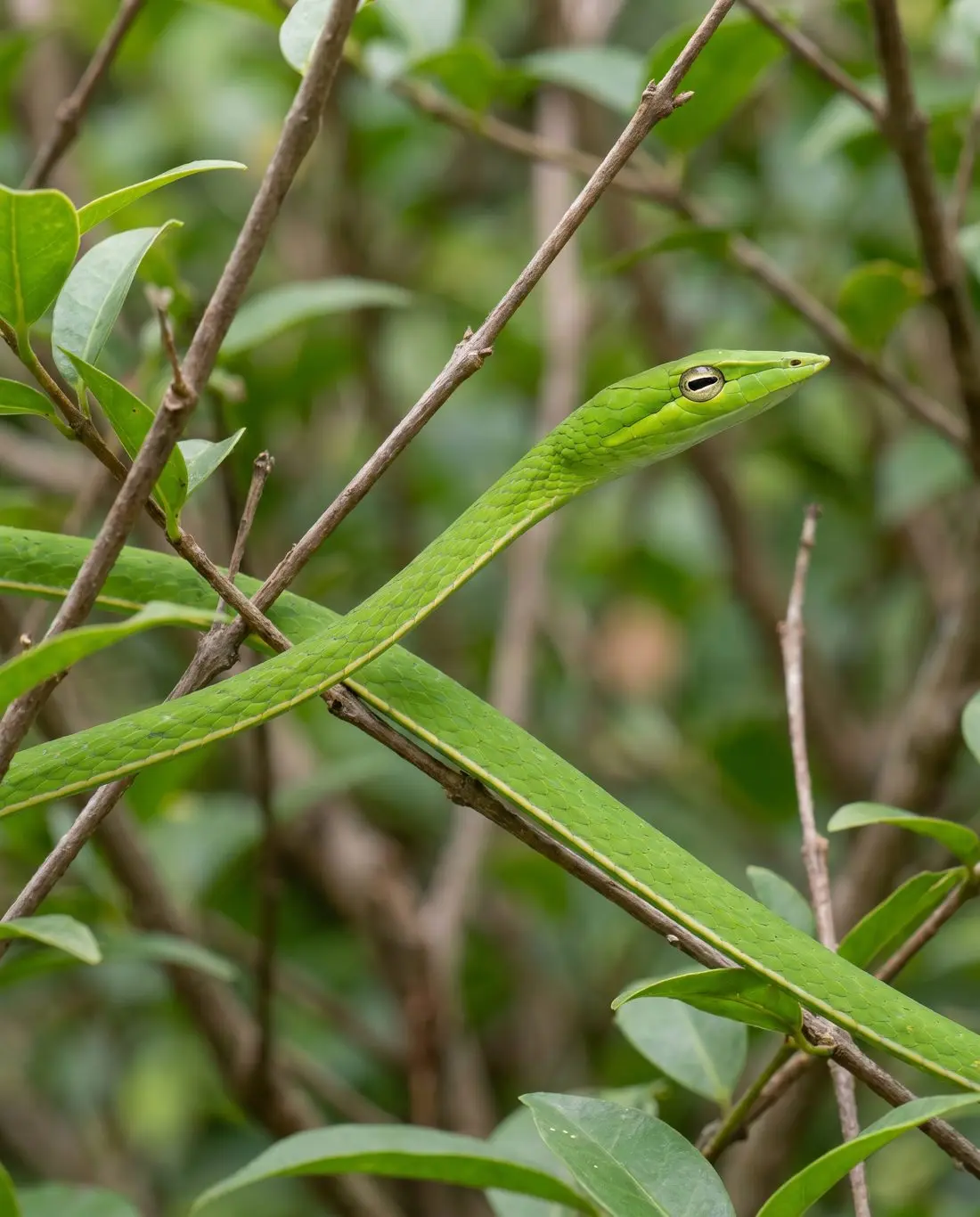
The Oriental whip snake is a bright green, pencil-thin snake with a long pointed snout. It hides in hedges and trees by looking like a vine. It is mildly venomous but not considered dangerous to people.
How to recognise it
It is very long and thin, usually 1 to 1.5 m, with a tail that makes up about a third of its length. In Singapore it is usually bright leaf green, with a thin pale yellow line along each side of the belly. The head is long and narrow and ends in a sharp, pointed snout.
Its eyes are yellow, with horizontal pupils shaped like a keyhole lying on its side. A groove runs along each side of the snout in front of the eyes. Together these give it good forward vision for judging distance. Brown, yellowish and grey forms of this species occur in other parts of Asia.
Where it lives in Singapore
It is native and common. It lives in shrubs, hedges and low trees along forest edges, in parks and gardens, and in leafy housing estates. Because it is so well camouflaged, many people walk past one without noticing it.
It has a long history here. A whip snake collected in Singapore on 28 June 1839 is believed to be the second-oldest surviving specimen of any animal with a backbone from the island. It is still kept in a museum in Paris.
What it eats
It hunts lizards, frogs and small birds. It waits motionless among leaves, judges the distance, and then strikes. Mild venom from teeth at the back of its jaw helps subdue prey.
Behaviour
It is active by day. It often rests draped over branches and may sway gently, like a vine moving in the breeze. Its tail can grip, which helps it hold on while it stretches across gaps between branches.
When threatened it usually slips away through the branches. If cornered, it may puff up the front of its body to flash black and white or bluish skin between its scales. Sometimes it strikes with its mouth closed, as a bluff.
Life cycle
Unlike most snakes in Singapore, it does not lay eggs. Females give birth to live young, reported as about 7 to 10 at a time. Newborns are around 24 cm long.
Is it dangerous?
It is mildly venomous, but its rear fangs and weak venom are made for small prey. It is not considered dangerous to people and usually tries to escape. It may bite if handled. It sits at GIVE SPACE on the danger scale.
Frequently asked questions
Is the Oriental whip snake venomous?
Mildly. It has rear fangs and weak venom for small prey. It is not considered dangerous to people.
Why does the whip snake have strange eyes?
Its pupils are horizontal and keyhole-shaped, and grooves on its snout let it look forward with both eyes. This helps it judge distance when it strikes.
Does the Oriental whip snake lay eggs?
No. It gives birth to live young, reported as about 7 to 10 at a time.
How long is an Oriental whip snake?
Usually 1 to 1.5 m, but very thin. Large ones reach about 1.8 m.
More snakes in Singapore
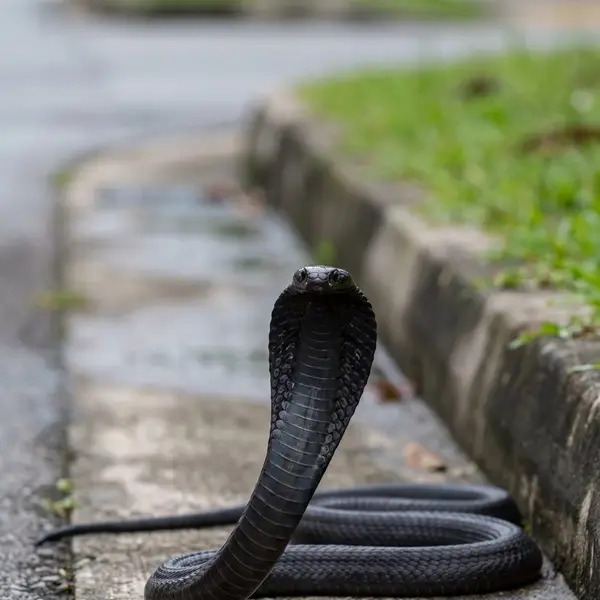 Equatorial spitting cobraNaja sumatranaDANGEROUS
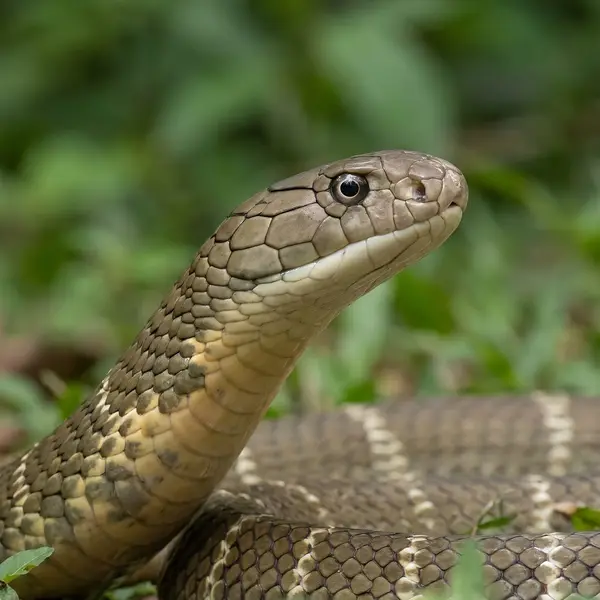 King cobraOphiophagus bungarusDANGEROUS
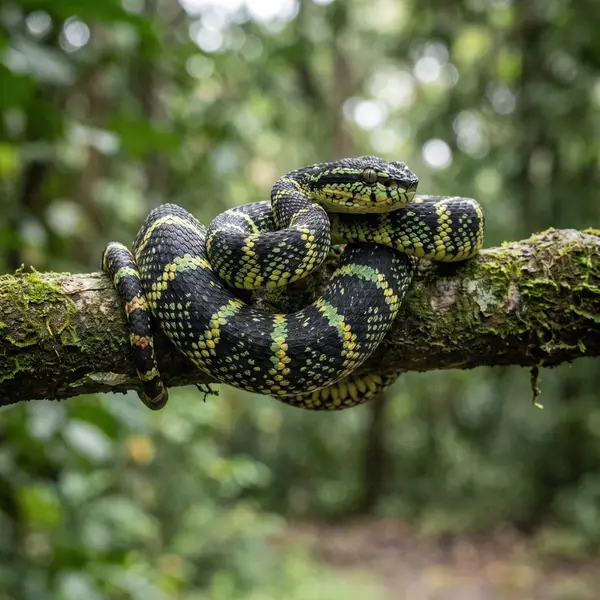 Wagler's pit viperTropidolaemus wagleriDANGEROUS
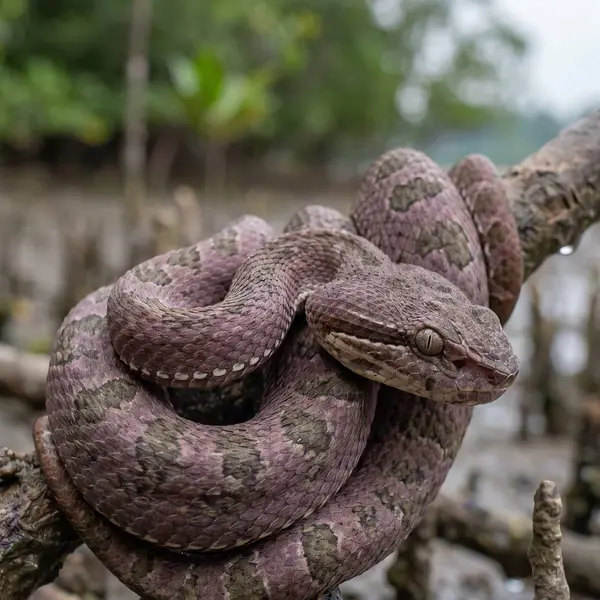 Shore pit viperTrimeresurus purpureomaculatusDANGEROUS
- Banded kraitBungarus fasciatusDANGEROUS
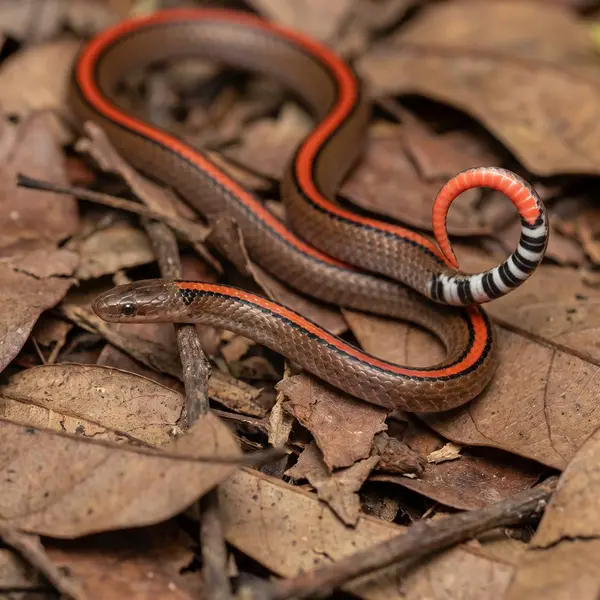 Banded Malayan coral snakeCalliophis intestinalisDANGEROUS
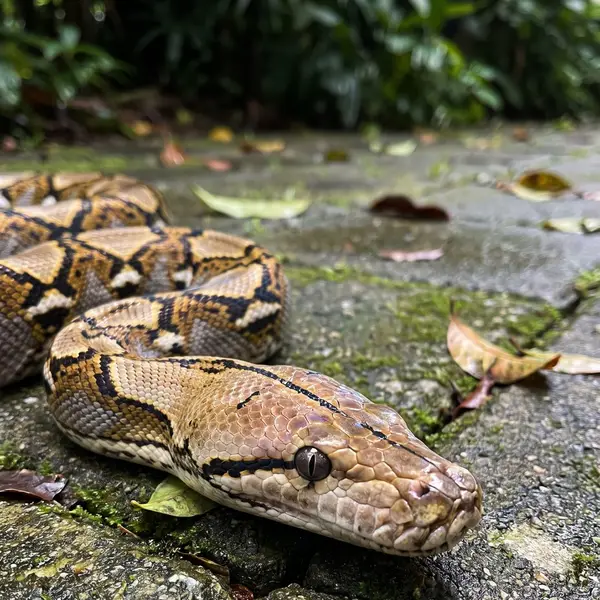 Reticulated pythonMalayopython reticulatusGIVE SPACE
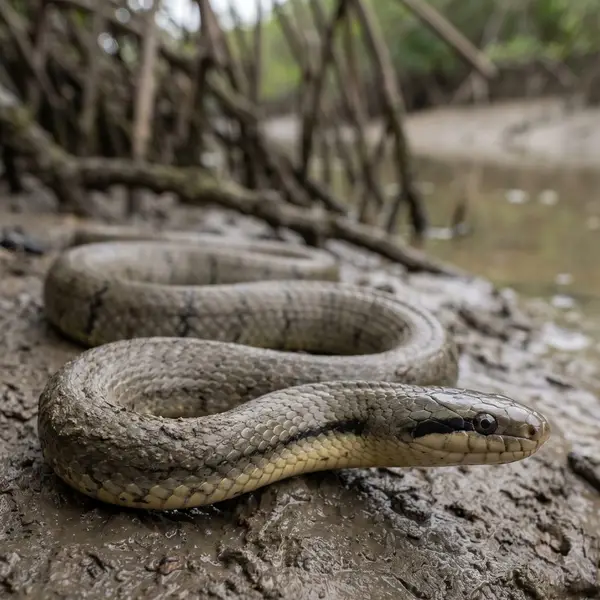 Dog-faced water snakeCerberus schneideriiGIVE SPACE
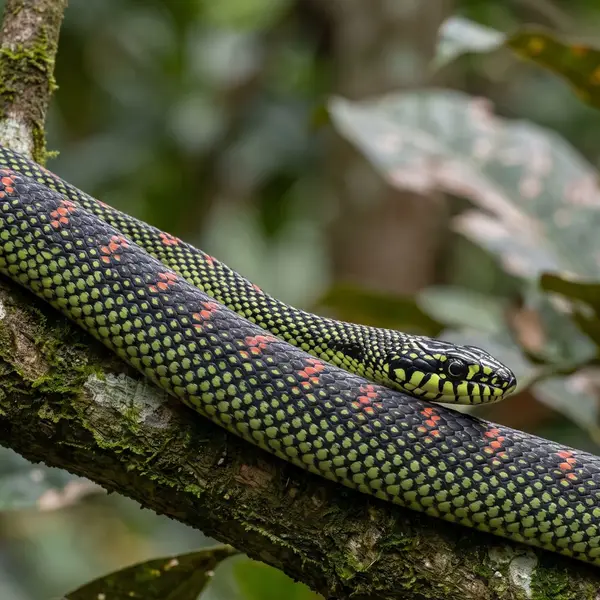 Paradise tree snakeChrysopelea paradisiGIVE SPACE
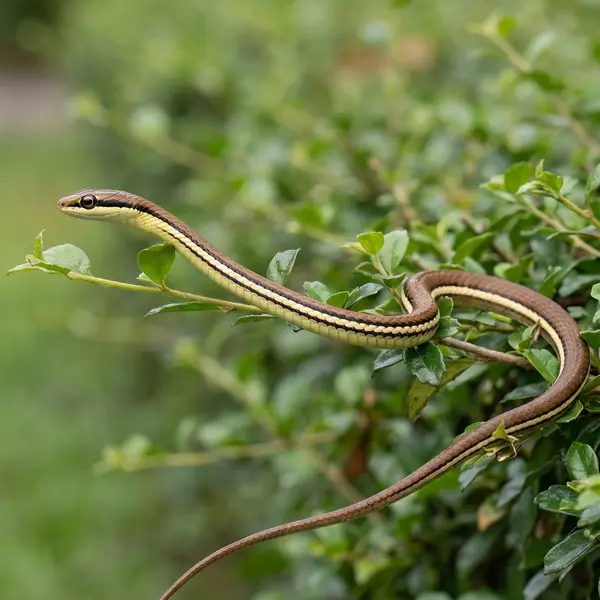 Painted bronzebackDendrelaphis pictusGIVE SPACE
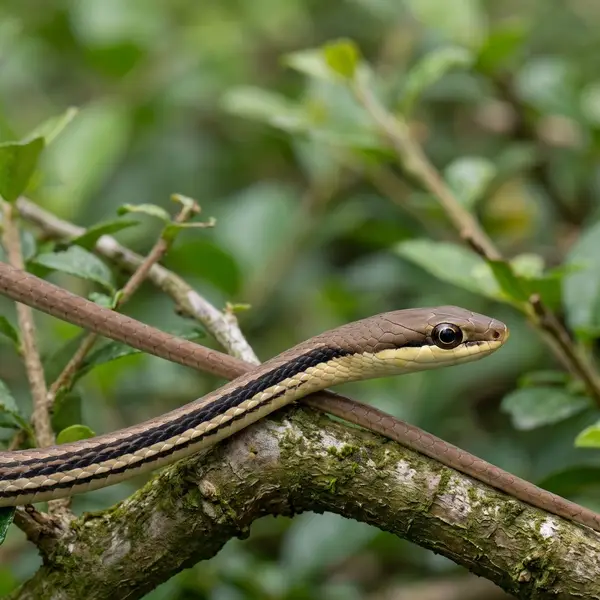 Striped bronzebackDendrelaphis caudolineatusGIVE SPACE
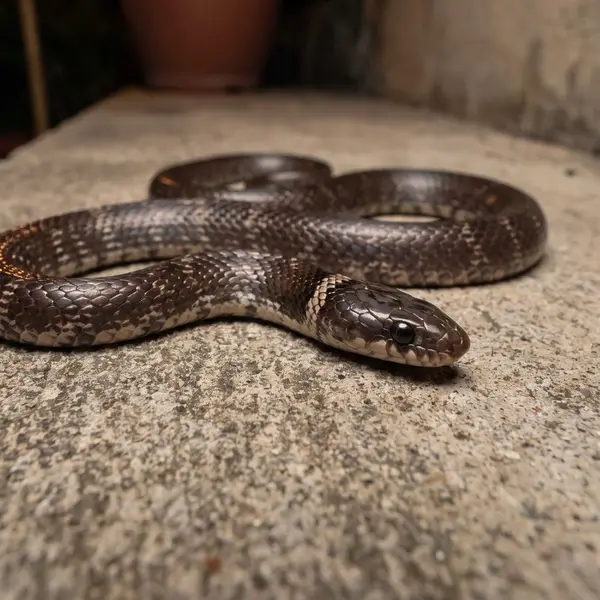 Common wolf snakeLycodon capucinusGIVE SPACE
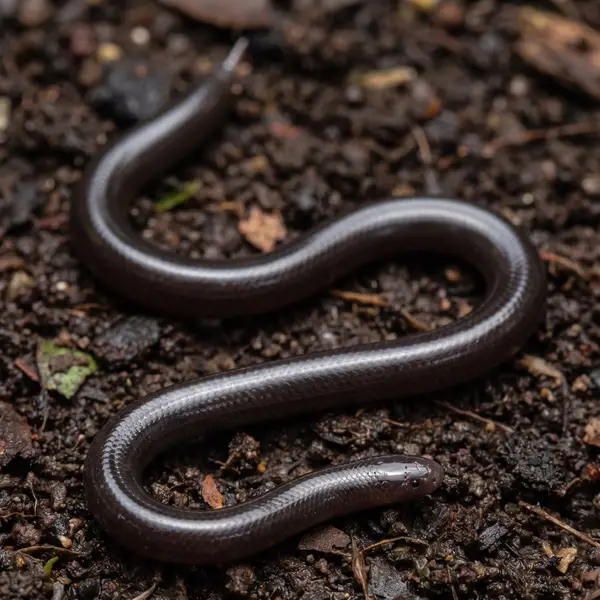 Brahminy blind snakeIndotyphlops braminusHARMLESS